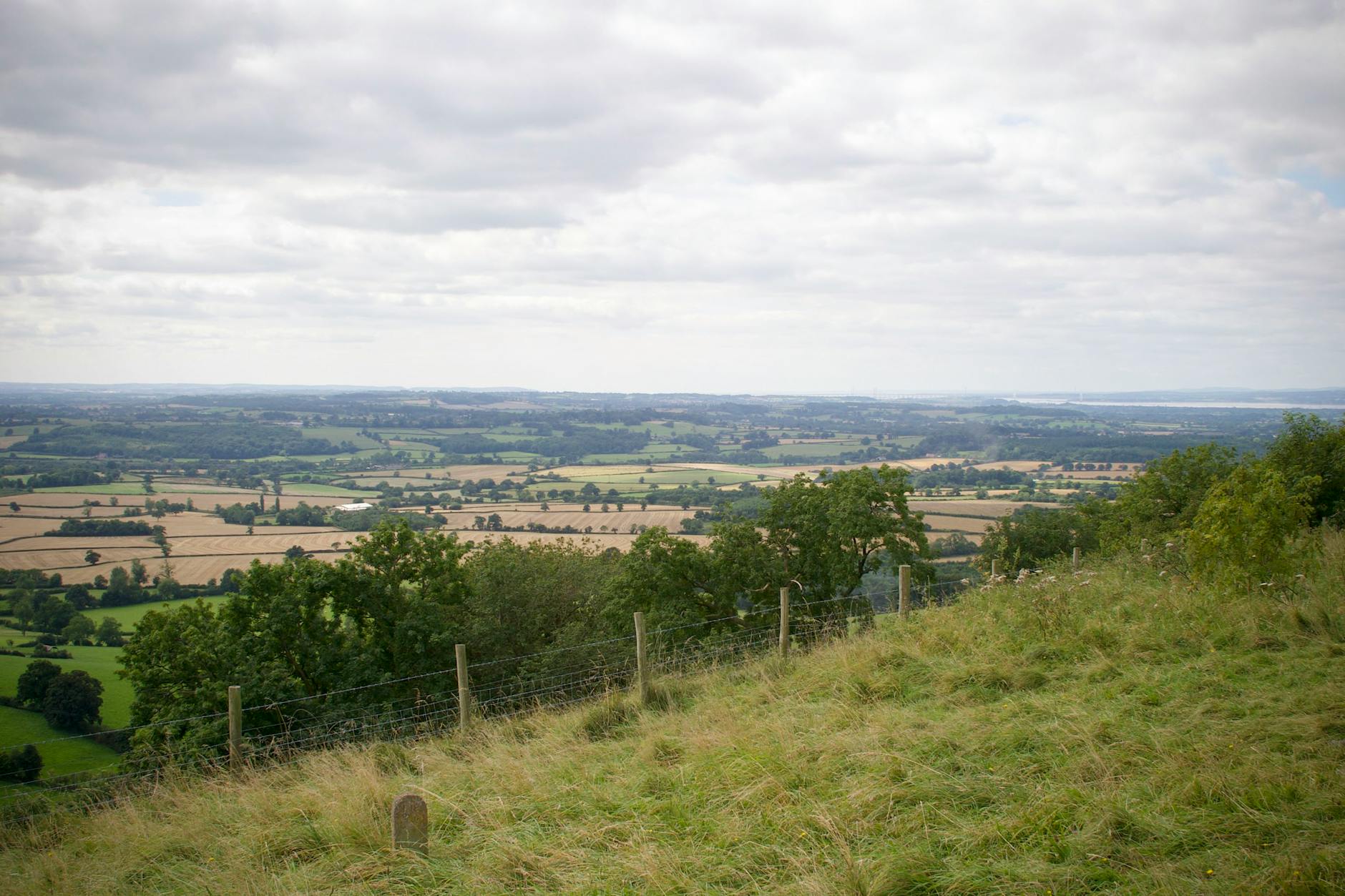
The Cotswolds is one of the most beautiful and beloved destinations in England — a sweeping landscape of rolling hills, honey-coloured stone villages, ancient churches, and quintessentially English countryside that stretches across nearly 800 square miles of south-central England. Planning a day trip from London, a weekend away, or a full week of exploring? This Cotswolds travel guide covers what you need to know to plan a trip that fits the time you have.
Designated as an Area of Outstanding Natural Beauty in 1966 (now known as a National Landscape), the Cotswolds attracts upwards of 38 million visitors each year. It spans parts of six counties — Gloucestershire, Oxfordshire, Warwickshire, Wiltshire, Worcestershire, and Somerset — making it the largest AONB in England and Wales. From the famous villages of Bourton-on-the-Water and Bibury to the 102-mile Cotswold Way walking trail and Michelin-starred restaurants tucked into converted coaching inns, there is an extraordinary amount to see, do, eat, and explore here.
This guide is your starting point. Think of it as your travel planning hub — covering every essential topic with links to our in-depth guides on each subject so you can dive deeper into the areas that matter most to your trip.
Where Is the Cotswolds?
The Cotswolds is located in south-central England, roughly between the cities of Oxford to the east, Cheltenham and Gloucester to the west, Stratford-upon-Avon to the north, and Bath to the south. Despite what many visitors assume, the Cotswolds is not a single town or county — it is a vast area of designated countryside that sprawls across six English counties.
The region sits on a ridge of Jurassic limestone hills called the Cotswold escarpment. This geology is what gives the area its distinctive character: the local oolitic limestone has been quarried and used for building since Roman times, and it weathers to the warm, golden-honey tone that defines virtually every cottage, church, and dry-stone wall in the region.
For planning purposes, the Cotswolds is often divided into three broad areas:
- The North Cotswolds: Home to the most iconic and visited villages including Broadway, Chipping Campden, Stow-on-the-Wold, Moreton-in-Marsh, and Bourton-on-the-Water. This area is where most first-time visitors concentrate their time, and it is the most accessible from London by train (Moreton-in-Marsh is a direct 90-minute service from Paddington).
- The Central Cotswolds: Centred around Cirencester (the historic Roman capital of the region), Northleach, Burford, and the Slaughter villages. This area tends to be slightly quieter than the north while still offering plenty of charm and excellent walking routes.
- The South Cotswolds: Stretching down towards Bath and including Tetbury, Castle Combe, Painswick, Malmesbury, and the Cotswold Water Park. This area offers a different character — more rolling valleys, deeper woodlands, and proximity to Bath for those combining the two destinations.
Best Time to Visit the Cotswolds
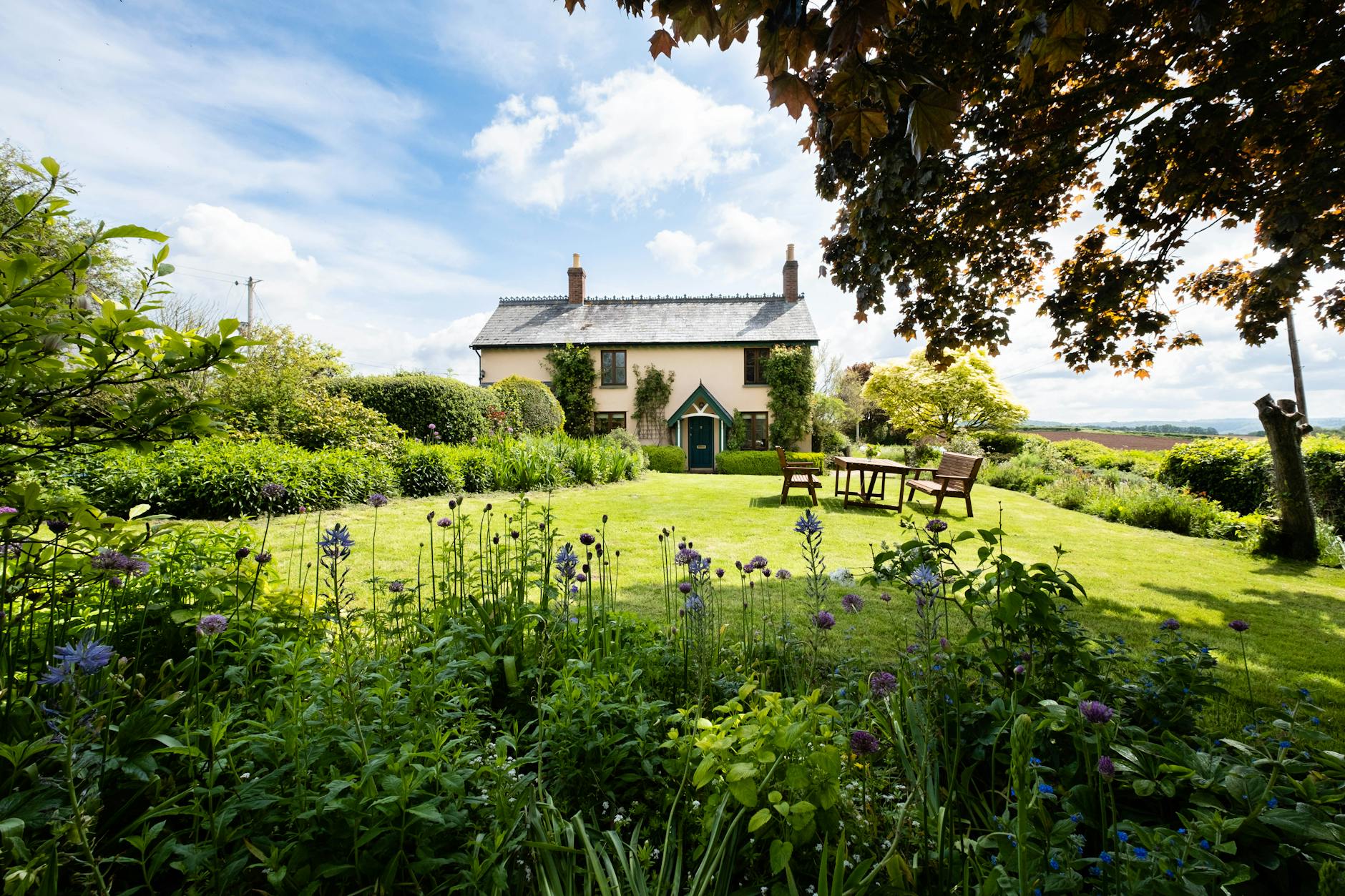
The Cotswolds is a year-round destination, and each season brings its own character and appeal. However, the timing of your visit will significantly affect your experience in terms of weather, crowds, accommodation availability, and what you can see and do.
Spring (March to May)
Spring is arguably the most magical time to visit the Cotswolds. The countryside erupts with wildflowers, the hedgerows turn green, and carpets of bluebells appear in ancient woodlands like Foxholes Nature Reserve. Lambing season (typically March and April) means fields dotted with newborn lambs — an iconic Cotswold sight. The weather is increasingly pleasant with temperatures ranging from 8°C to 16°C (46°F to 61°F), though rain is always possible. Easter brings festive events and the gardens begin their open season.
Summer (June to August)
Summer brings the warmest and driest weather, with temperatures reaching 20°C to 25°C (68°F to 77°F) and long daylight hours perfect for walking and outdoor dining. This is peak tourist season, meaning popular villages like Bourton-on-the-Water and Bibury can become very crowded, especially on weekends and during school holidays. Accommodation prices are at their highest and availability is tightest. The lavender fields at Cotswold Lavender near Snowshill bloom in June and July, creating one of the region’s most photogenic seasonal spectacles.
Autumn (September to November)
Autumn is a favourite among regular visitors. The crowds thin dramatically after the school holidays end in early September, yet the weather remains mild and pleasant through October. The Cotswolds’ abundant deciduous trees put on a spectacular display of autumn colour, particularly at Westonbirt Arboretum and Batsford Arboretum. Harvest festivals, food events, and cosy pub evenings make this a wonderful time for a slower, more atmospheric visit. Temperatures range from 7°C to 17°C (45°F to 63°F).
Winter (December to February)
Winter brings a quieter, more intimate Cotswolds experience. The villages are at their most peaceful, and there is something deeply appealing about frosty walks followed by a pint beside a roaring pub fire. December brings Christmas markets in towns like Cirencester, Cheltenham, and Chipping Campden, along with enchanted light trails at Blenheim Palace and Westonbirt. Temperatures drop to 1°C to 8°C (34°F to 46°F), and some attractions have reduced hours or close entirely. However, accommodation prices are significantly lower outside the Christmas peak.
How to Get to the Cotswolds
The Cotswolds benefits from being centrally located in southern England with good connections from major cities. Here are the main options:
By Train
The most convenient train station for the Cotswolds is Moreton-in-Marsh, which has a direct service from London Paddington taking approximately 90 minutes. Other useful stations include Kingham (for Chipping Norton and the central Cotswolds), Cheltenham Spa (for the western Cotswolds), and Bath Spa (for the southern Cotswolds). Great Western Railway (GWR) operates most services. From these stations, you can connect to villages by bus or taxi.
By Car
Driving gives you the most flexibility for exploring the Cotswolds, as many villages are not served by public transport. From London, the journey takes approximately 1.5 to 2.5 hours depending on your destination, primarily via the M40 motorway. From Birmingham, it is roughly 1 to 1.5 hours. From Bristol or Bath, the southern Cotswolds is just 30 to 45 minutes away. Be prepared for narrow country lanes, limited parking in popular villages, and the occasional sheep on the road.
By Bus or Coach
National Express and other coach services run from London to Cheltenham and other Cotswold gateway towns. The journey takes around 2.5 to 3 hours. While less flexible than driving, this is an affordable option. Once in the Cotswolds, Stagecoach and Pulhams run local bus services connecting the major towns, though frequencies can be limited, especially on Sundays.
By Guided Tour
If you want someone else to handle the logistics, numerous tour companies offer Cotswolds day trips from London. These typically visit three to four villages in a small group minibus format and run year-round. Popular operators include Go Cotswolds, Rabbie’s, and Anderson Tours.
Getting Around the Cotswolds
How you get around the Cotswolds will shape your entire experience. Here is a realistic assessment of your options:
By Car: This is the most practical way to explore comprehensively. You can reach hidden villages, stop at viewpoints, and move at your own pace. However, parking can be challenging in popular villages, and some lanes are extremely narrow. Many car parks now use app-based payment systems.
By Bus: The Stagecoach bus network connects many of the major towns and villages. Route 801 links Moreton-in-Marsh with Stow-on-the-Wold, Bourton-on-the-Water, and Cheltenham. The Cotswolds Discoverer day pass (currently £15 for adults, £7.50 for children) offers unlimited travel on participating buses and local trains. The on-demand Robin minibus service fills gaps in rural areas — you can pre-book rides from train stations to villages not served by regular buses for £3 per ride.
By Bicycle: Cycling is an increasingly popular way to explore, particularly the quieter lanes between villages. Several shops offer bike hire including electric bikes, which are very welcome given the hilly terrain.
On Foot: For walkers, the Cotswolds is paradise. Many villages are within walking distance of each other (the Slaughters are about a mile apart, for example), and the network of public footpaths is extensive. The 102-mile Cotswold Way is the marquee long-distance route, but there are hundreds of shorter circular walks.
The Top Villages You Must Visit
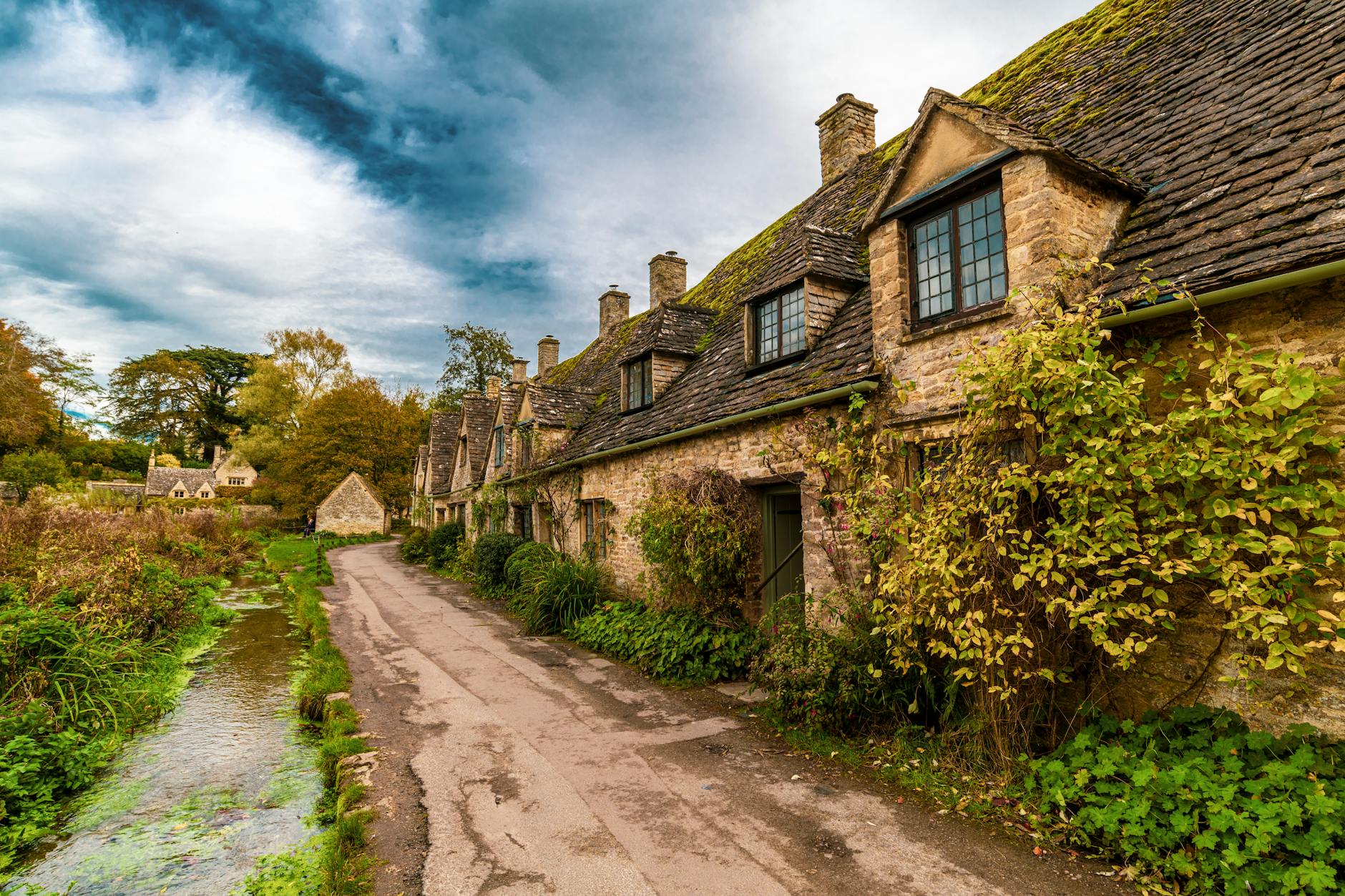
The Cotswolds is home to dozens of villages that look like they belong in a storybook. Each has its own character, and choosing which to visit is one of the great pleasures of planning a Cotswolds trip. Here are the villages that no visit should miss:
Bourton-on-the-Water
Known as the Venice of the Cotswolds for the low stone bridges that cross the River Windrush as it flows through the village green, Bourton-on-the-Water is the most visited village in the region — and for good reason. The setting is enchanting, and there are excellent attractions including the Cotswold Motoring Museum, Birdland Park, and the Model Village. Visit early in the morning or in the off-season to avoid the largest crowds.
Bibury
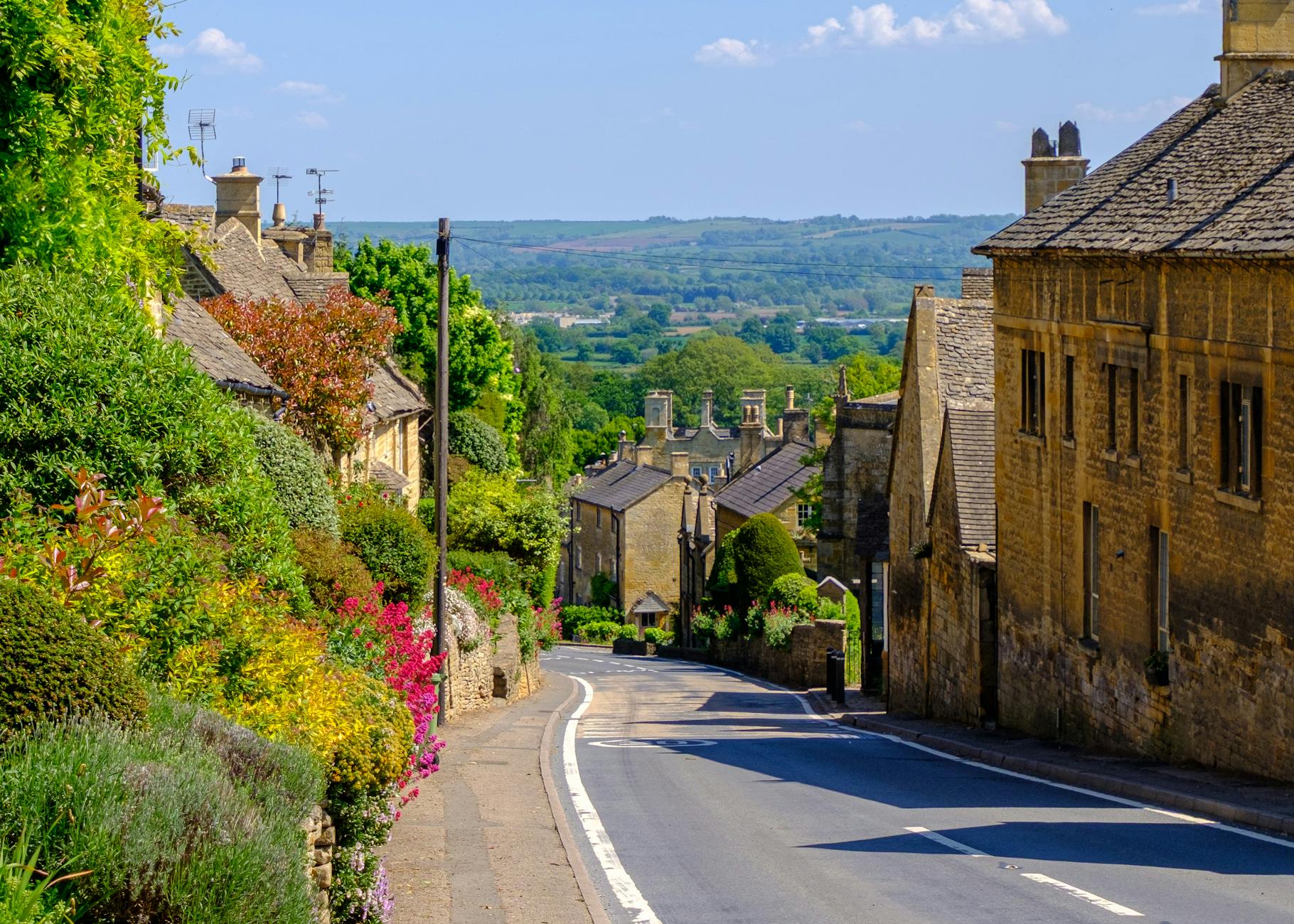
William Morris once called Bibury the most beautiful village in England, and it is hard to argue when you stand before Arlington Row — a terrace of medieval weavers’ cottages that is one of the most photographed scenes in the country. The village also features a charming trout farm, the Saxon church of St Mary, and peaceful riverside walks along the River Coln.
Castle Combe
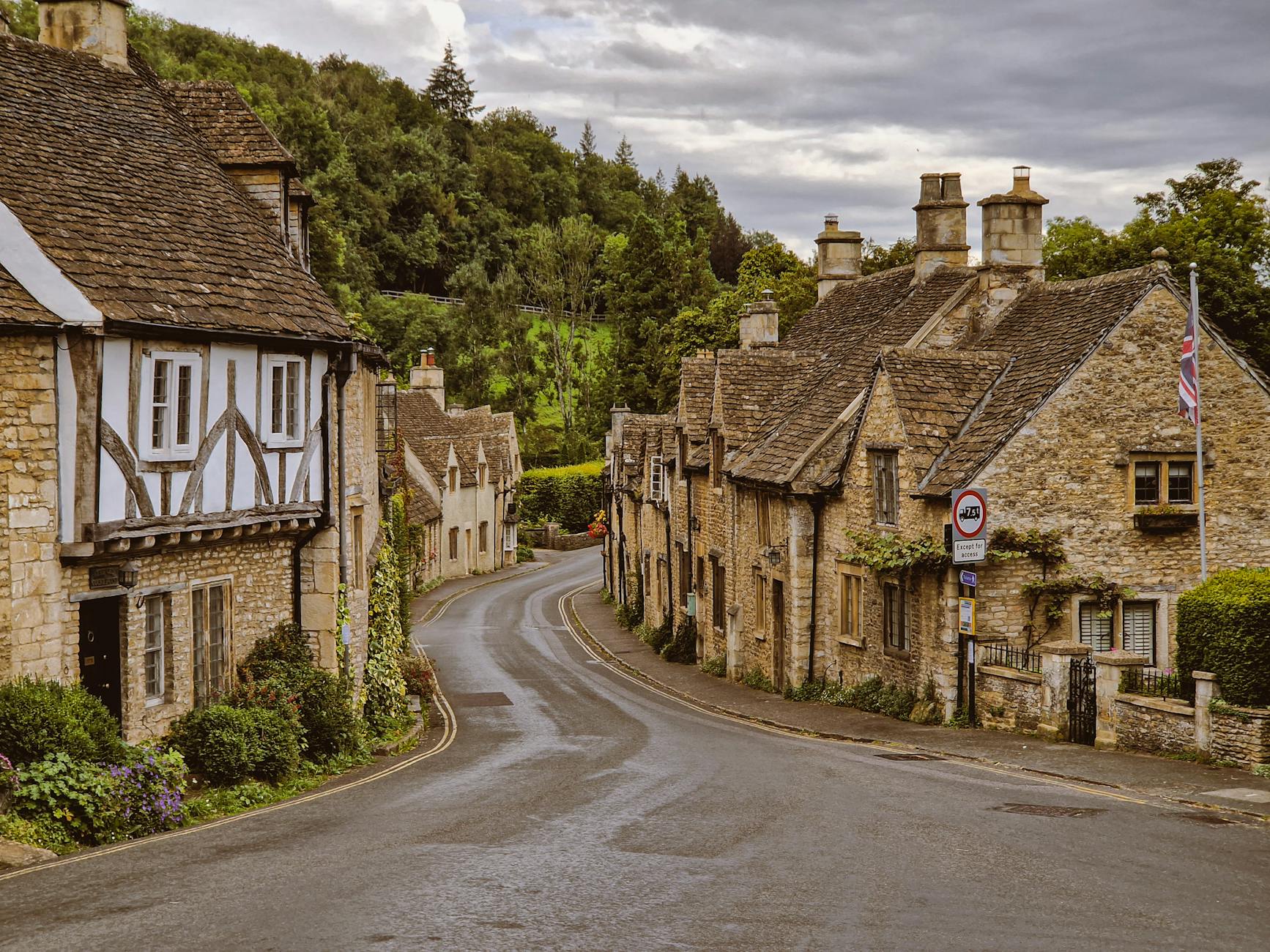
Tucked away in the southern Cotswolds near Chippenham, Castle Combe has been called the prettiest village in England. With no visible TV aerials, power lines, or modern intrusions, this tiny village of honey-stone cottages, a medieval market cross, and a 14th-century church feels genuinely frozen in time.
Broadway
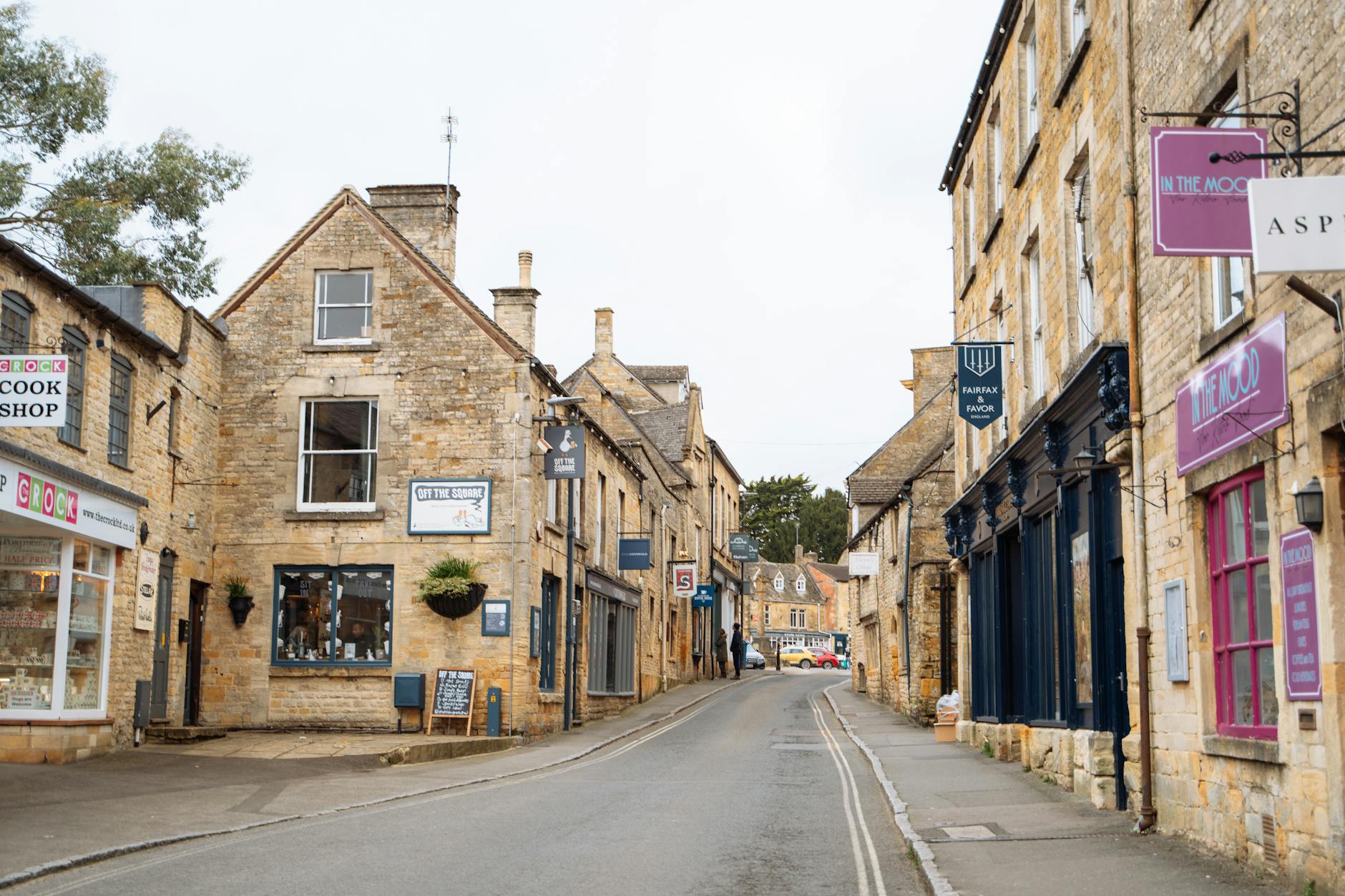
Often called the Jewel of the Cotswolds, Broadway features a wide, elegant High Street lined with immaculate honey-stone buildings housing galleries, boutiques, and restaurants. Broadway Tower, a folly perched on the second-highest point in the Cotswolds, offers panoramic views across up to 16 counties on a clear day.
Stow-on-the-Wold
Sitting at a crossroads of ancient trading routes at over 800 feet above sea level, Stow-on-the-Wold is the highest town in the Cotswolds. Its famous market square is surrounded by antique shops, galleries, and welcoming pubs. The much-photographed ancient door of St Edward’s Church, flanked by yew trees, has become one of the Cotswolds’ most iconic images.
Chipping Campden
Home to what many consider the finest High Street in England, Chipping Campden is a beautifully preserved wool merchant town with a magnificent 15th-century church, the iconic Market Hall, and the starting point of the Cotswold Way long-distance trail. It feels authentically lived-in rather than purely touristic.
Painswick
Known as the Queen of the Cotswolds, Painswick is a hillside town famous for its churchyard containing 99 ancient yew trees (legend says the devil prevents a hundredth from ever growing) and the unique Painswick Rococo Garden — the only complete extant rococo garden in England.
The Slaughters
Upper and Lower Slaughter (the name derives from the Old English for “muddy place,” not anything sinister) are two of the most peaceful villages in the Cotswolds. Connected by a gentle one-mile riverside walk along the Eye stream, they offer the kind of unspoilt tranquillity that many visitors come to the Cotswolds to find.
Things to Do in the Cotswolds
The Cotswolds offers an extraordinary range of activities and attractions. Far from being a place where you simply look at pretty buildings, there is enough here to fill weeks of exploring. Here are the highlights:
Historic Houses and Castles
Blenheim Palace near Woodstock is the grandest of them all — a UNESCO World Heritage Site, birthplace of Winston Churchill, and home to 2,000 acres of Capability Brown-designed parkland. Sudeley Castle in Winchcombe is the only private castle in England with a queen (Katherine Parr) buried in its grounds. The National Trust maintains numerous properties including Snowshill Manor and Hidcote Manor Garden.
Gardens
The Cotswolds is a gardener’s paradise. Hidcote Manor Garden pioneered the concept of garden “rooms” and remains one of England’s most influential gardens. Kiftsgate Court Gardens, just across the lane, offers a more intimate experience. Westonbirt Arboretum is spectacular in every season, and Painswick Rococo Garden is entirely unique.
Wildlife and Nature
Cotswold Wildlife Park near Burford houses over 260 species across 160 acres of parkland. Cotswold Farm Park, founded by BBC Countryfile presenter Adam Henson, is home to rare breed farm animals and is especially wonderful during lambing season. Birdland in Bourton-on-the-Water features exotic birds including flamingos, penguins, and pelicans.
Markets and Shopping
The Moreton-in-Marsh Tuesday Market is the largest open-air street market in the Cotswolds, with over 200 stalls stretching along the High Street. Stow-on-the-Wold and Tetbury are the go-to towns for antique hunting, while Burford’s sloping High Street offers an eclectic mix of independent shops. The Stroud Farmers’ Market, held every Saturday, is one of the best in the country.
Quirky Traditions
The Cotswolds is home to some wonderfully eccentric events including the famous Cooper’s Hill Cheese Rolling (every spring bank holiday), the Cotswold Olimpick Games in Chipping Campden (featuring shin-kicking championships), and woolsack races in Tetbury.
Walking and Hiking in the Cotswolds
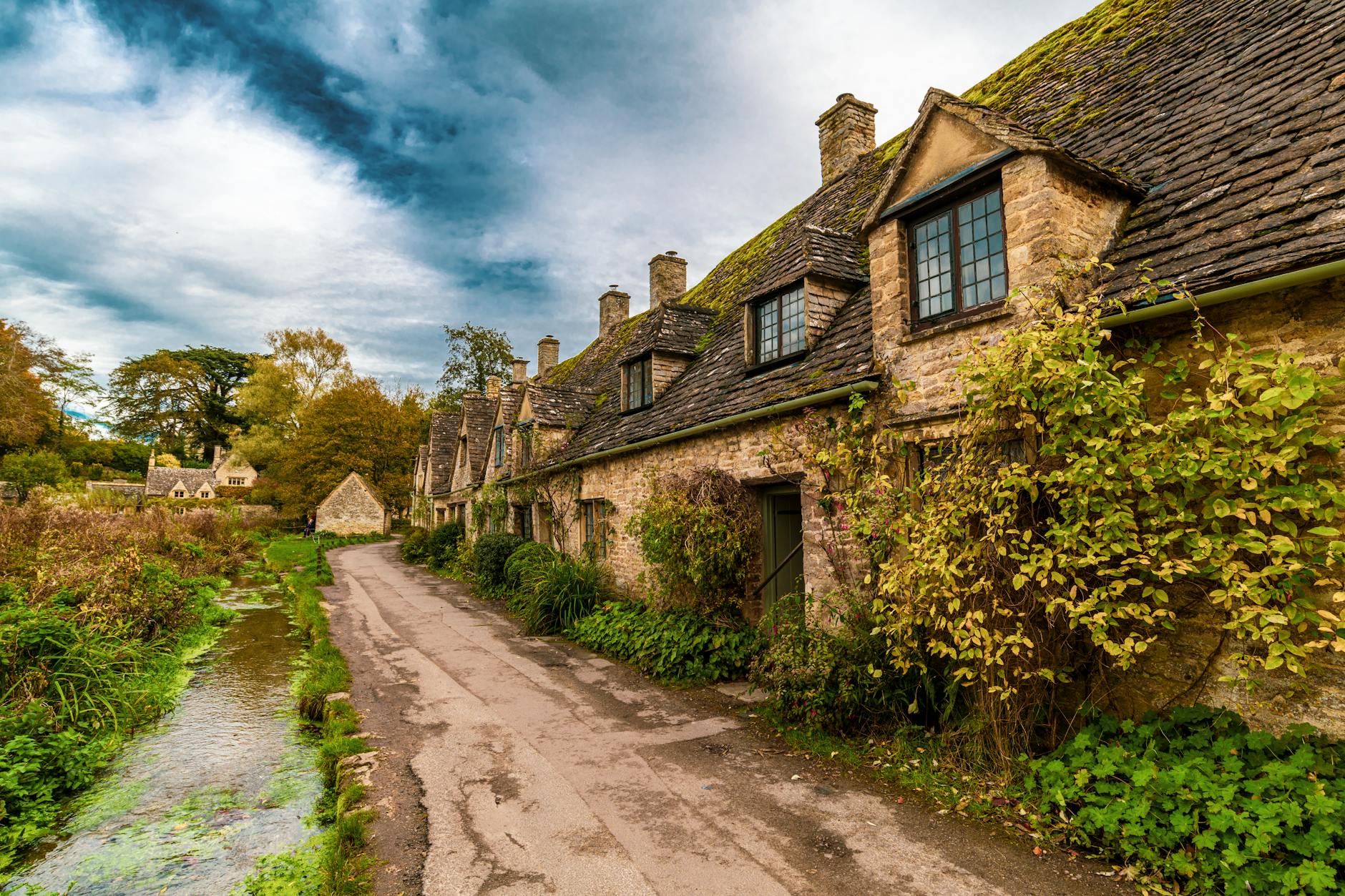
Walking is woven into the fabric of the Cotswolds experience. The region has one of the densest networks of public footpaths in England, and the landscape is perfectly suited to walkers of all abilities.
The crown jewel is the Cotswold Way, a 102-mile National Trail running from Chipping Campden in the north to Bath in the south. Most people complete it in 8 to 12 days, walking 10 to 15 miles per stage, though you can easily walk shorter sections as day hikes. The trail follows the Cotswold escarpment with panoramic views across the Severn Vale to the Malvern Hills and Welsh mountains beyond.
For shorter outings, the Cotswolds offers hundreds of circular walks ranging from gentle 2-mile village strolls to challenging 12-mile countryside circuits. Particularly popular options include the walk between Upper and Lower Slaughter (about 1 mile each way), the circular route from Bourton-on-the-Water to the Slaughters and back (approximately 4 miles), and the Broadway Tower circular walk (about 5 miles with excellent views).
Pub walks — where the route conveniently passes through a village with a welcoming inn around lunchtime — are a Cotswolds speciality. Many walking guides are available at local tourist information centres, and several companies offer guided walking tours and self-guided walking holidays with luggage transfer services.
Where to Stay in the Cotswolds
The Cotswolds offers accommodation to suit every style and budget, from world-class luxury hotels to cosy B&Bs, self-catering cottages, glamping pods, and budget-friendly hostels.
Luxury Hotels
The region is home to some of England’s finest country house hotels. Standouts include Dormy House near Broadway, Cowley Manor Experimental near Cheltenham (with its celebrated C-Side Spa), Thyme in Southrop, Barnsley House near Cirencester, and the Lucknam Park Hotel and Spa near Bath. Expect world-class dining, stunning grounds, and spa facilities.
Boutique Hotels and Inns
Characterful coaching inns and boutique hotels are a Cotswolds speciality. Properties like The Wild Rabbit in Kingham, The Swan at Bibury, and The Kings Head in Cirencester combine historic charm with contemporary design and excellent food.
B&Bs and Guesthouses
For a more personal experience, the Cotswolds has an outstanding selection of bed and breakfasts offering warm hospitality, local knowledge, and hearty English breakfasts. Many are in beautifully converted Cotswold stone houses with just a handful of rooms.
Self-Catering Cottages
Renting a cottage is one of the most popular ways to experience the Cotswolds, especially for families and groups. Options range from romantic bolt-holes for two to large manor houses sleeping 12 or more. Many come with gardens, hot tubs, and wood-burning stoves.
Glamping and Camping
For something different, the Cotswolds offers shepherd’s huts, bell tents, treehouses, safari lodges, and traditional campsites set in beautiful countryside locations.
Budget Options
YHA hostels at Stow-on-the-Wold and near Cheltenham offer affordable dormitory and private room options. Campsites are the cheapest way to stay, and several pubs offer simple but good-value rooms above the bar.
Where to Base Yourself
For first-time visitors, the North Cotswolds is the most popular base. Stow-on-the-Wold, Broadway, and Moreton-in-Marsh are all well-positioned for reaching the major villages and have good amenities. If you prefer a quieter, less touristy experience, the central Cotswolds around Northleach or Burford is an excellent choice. For combining the Cotswolds with Bath, base yourself in the south near Tetbury, Castle Combe, or Painswick.
Food and Drink in the Cotswolds
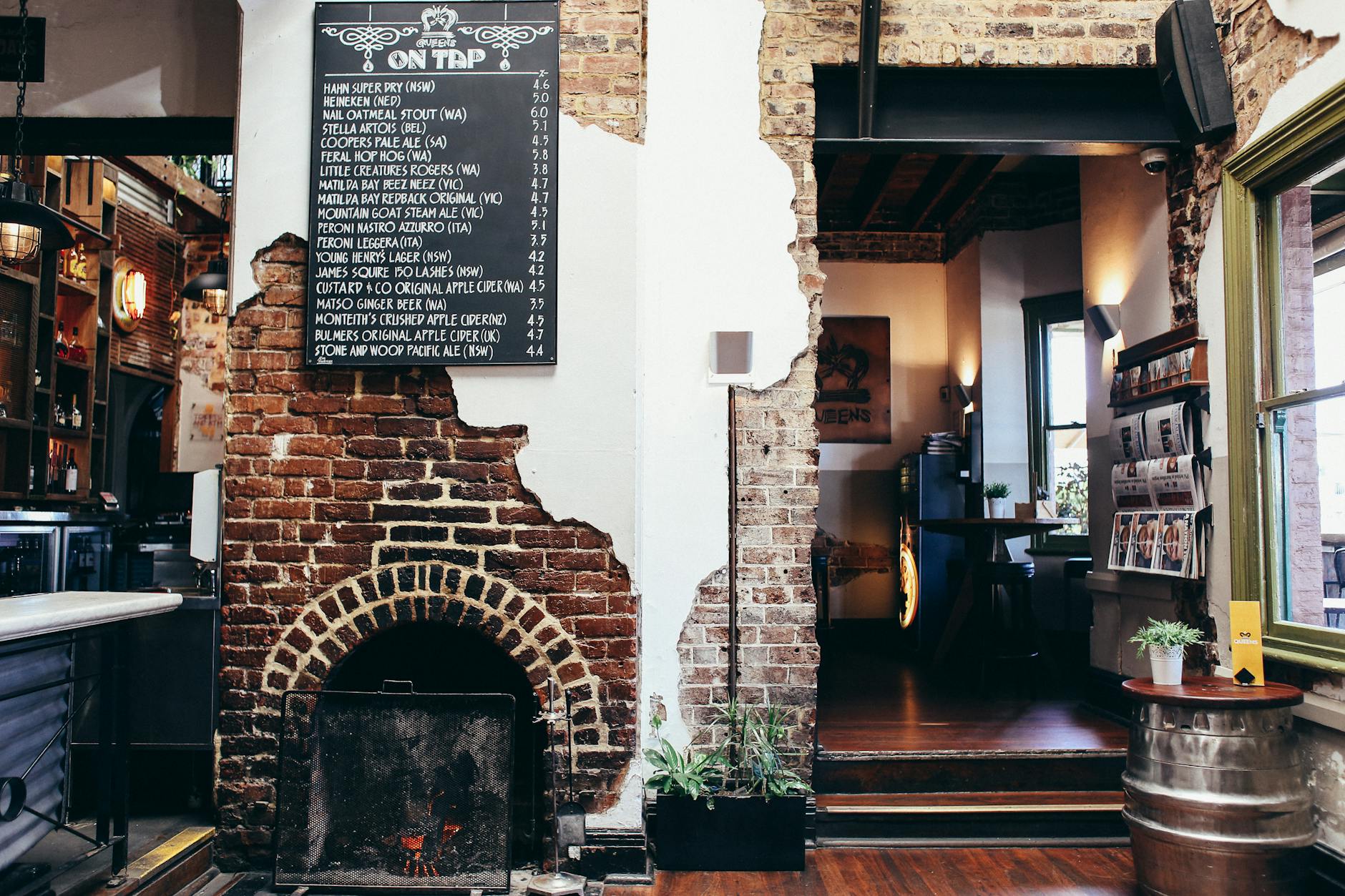
The Cotswolds food scene has evolved dramatically in recent years and now rivals any rural region in England for quality and variety.
Fine Dining
Le Manoir aux Quat’Saisons in Great Milton holds two Michelin stars and has been a gastronomic destination since 1984. Several other restaurants across the region have earned Michelin recognition or major industry awards, making the Cotswolds a genuine culinary destination.
Gastropubs
The Cotswolds excels at the gastropub — historic coaching inns and village pubs serving ambitious, locally sourced food in relaxed settings. The Wild Rabbit in Kingham, The Churchill Arms in Paxford, and The Wheatsheaf in Northleach are among the most celebrated. Even pubs without awards consistently serve excellent food — quality is simply the norm here.
Afternoon Tea and Tearooms
Afternoon tea is practically a compulsory Cotswolds experience. From grand hotel settings to village tearooms, you will find scones with clotted cream and jam, finger sandwiches, and an array of cakes served with loose-leaf tea. Huffkins in Stow-on-the-Wold and Burford are local institutions.
Farm Shops and Local Produce
The Cotswolds takes farm-to-table seriously. Daylesford Organic near Kingham is arguably England’s most famous farm shop, but there are dozens of excellent independent farm shops across the region selling local cheeses, charcuterie, baked goods, seasonal vegetables, and artisan products. The Stroud Farmers’ Market (every Saturday) features over 50 stalls of local producers.
Breweries, Distilleries, and Vineyards
The Cotswold Distillery near Stourton produces award-winning single malt whisky and dry gin. Local breweries like Donnington and Hook Norton have been brewing for centuries using traditional methods. English wine is a growing scene too — several vineyards across the region offer tours and tastings.
Practical Travel Tips
These practical tips will help you make the most of your Cotswolds visit:
Money and Costs
The currency is the British Pound Sterling (£). Credit and debit cards are widely accepted, including contactless payment, but it is wise to carry some cash for smaller shops, parking meters, and village market stalls. The Cotswolds is not a budget destination by British standards: expect to pay £5 to £7 for a pint of beer, £15 to £25 for a pub main course, £12 to £20 for attraction entry fees, and £3 to £8 for parking in popular villages. However, many of the best experiences — walking, exploring villages, admiring the scenery — are completely free.
Weather and Packing
English weather is famously unpredictable, and the Cotswolds is no exception. Even in summer, rain can arrive quickly. Pack layers, a waterproof jacket, and comfortable walking shoes regardless of when you visit. In winter, bring warm layers, a hat, and gloves. Sunscreen and sunglasses are useful in summer.
Mobile Phone Signal
Be aware that mobile phone signal in the Cotswolds is patchy. Many rural areas and valleys have weak or no signal, particularly for data. EE generally offers the most comprehensive rural coverage. Download offline maps and key information before heading out, and make use of Wi-Fi at your accommodation. This can actually be a blessing — it forces you to put the phone away and enjoy the scenery.
Driving Tips
Many Cotswold roads are narrow, single-track lanes with passing places. If you encounter an oncoming vehicle, the protocol is for whichever driver is closer to a passing place to pull in. Drive slowly, be prepared for tractors and horse riders, and keep your speed low through villages. Many parking areas now use app-based payment (RingGo and PayByPhone are common), so download these before your trip.
Accessibility
The Cotswolds presents some challenges for visitors with mobility issues due to its hilly terrain, cobbled streets, and historic buildings. However, many attractions have made significant accessibility improvements. Cotswold Wildlife Park and Westonbirt Arboretum offer free mobility scooter loans (book in advance). Blenheim Palace has accessible routes and lift access. The larger villages like Bourton-on-the-Water, Stow-on-the-Wold, and Broadway have relatively flat main streets suitable for wheelchairs.
Safety
The Cotswolds is one of the safest areas in England with a crime rate significantly below the national average. The main risks are the everyday hazards of rural travel — uneven footpaths, fast country roads, and the occasional livestock encounter. Take standard precautions with valuables, especially in busy tourist villages during peak season.
How Many Days Do You Need in the Cotswolds?
This is one of the most common questions we hear, and the answer depends entirely on your travel style and interests:
- 1 day: Enough for a taste of the Cotswolds. You can visit two or three villages and get a sense of the landscape. Best as a guided tour or with a car, as public transport limits your options significantly in a single day.
- 2 days: A comfortable weekend allows you to explore four to six villages, enjoy a pub lunch, take a short walk, and get a genuine feel for the region.
- 3 days: The sweet spot for most visitors. Three days gives you enough time to explore the most famous villages, fit in a longer walk, visit a major attraction like Blenheim Palace or Westonbirt, and enjoy the food scene without feeling rushed.
- 5 days: Ideal for a deeper exploration. With five days you can cover both the northern and southern Cotswolds, walk significant sections of the Cotswold Way, visit multiple gardens and historic houses, and discover quieter villages away from the main tourist trail.
- 7 days: A full week allows you to experience the Cotswolds comprehensively — including longer walks, day trips to nearby cities like Bath and Oxford, relaxed meals, antique hunting, and the kind of slow-paced exploration where you stumble upon unexpected treasures.
Who Is the Cotswolds Best For?
The Cotswolds appeals to a wide range of visitors, but it is particularly well-suited to certain types of travellers:
- Couples and romantics: The combination of beautiful scenery, charming villages, excellent restaurants, and characterful hotels makes the Cotswolds one of the most romantic destinations in England.
- Walkers and hikers: From gentle village strolls to the 102-mile Cotswold Way, the walking here is world-class.
- History and culture enthusiasts: Roman ruins, medieval wool churches, the Arts and Crafts movement, stately homes — the Cotswolds is layered with history.
- Foodies: Michelin-starred restaurants, award-winning gastropubs, farm shops, and local producers make this a culinary destination.
- Families: Farm parks, wildlife attractions, adventure playgrounds, and safe village environments make the Cotswolds excellent for children.
- Photographers: Every corner is photogenic. The golden stone, the light, the gardens, the rolling hills — the Cotswolds is one of the most photographed regions in England.
- International visitors: The Cotswolds represents the quintessential English countryside experience that many overseas visitors dream of. Combine it with London, Oxford, Bath, or Stratford-upon-Avon for the ultimate English itinerary.
Cotswolds Travel Guide: Month-by-Month Highlights
To help with planning, here is a quick overview of what to expect and experience in each month:
- January & February: Quiet and frosty. Snowdrops appear at Painswick Rococo Garden and Colesbourne Park. Great for cosy pub walks and lower accommodation prices.
- March: Spring begins. Daffodils bloom, lambing season starts at Cotswold Farm Park, and gardens begin opening for the season.
- April: Bluebell season peaks in Cotswold woodlands. Easter events across the region. Pleasant walking weather.
- May: One of the best months to visit. Warm weather, longer days, wildflowers everywhere, and the Cooper’s Hill Cheese Rolling event.
- June: Gardens at their peak. Lavender begins blooming at Cotswold Lavender near Snowshill. Longer daylight hours perfect for evening walks.
- July & August: Peak summer season. Warmest weather but busiest villages. School holidays mean family attractions are packed. Book accommodation well in advance.
- September: An excellent month to visit. Summer crowds dissipate, weather remains pleasant, and the harvest season brings food festivals and local events.
- October: Spectacular autumn foliage at Westonbirt and Batsford Arboretums. Cosy pub season begins. Halloween events for families.
- November: Bonfire Night celebrations. Christmas markets begin later in the month. Quieter villages and lower prices.
- December: Christmas markets across the region. Enchanted light trails at Blenheim Palace and Westonbirt. Festive dining and seasonal menus at top restaurants.
Frequently Asked Questions
Is the Cotswolds expensive to visit?
The Cotswolds can be visited at various price points. While luxury hotels and fine dining can be costly, there are plenty of affordable options including B&Bs, hostels, pub meals, and free activities like walking and village exploring. Budget travellers can enjoy the Cotswolds for around £50 to £80 per person per day including accommodation, while mid-range visitors should budget £100 to £200 per person per day.
Can you visit the Cotswolds without a car?
Yes, though it requires more planning. The train to Moreton-in-Marsh connects you to the Cotswolds from London, and bus services connect the major towns. The on-demand Robin minibus fills gaps in rural areas. Guided tours are another excellent car-free option. However, having a car gives you significantly more flexibility and access to off-the-beaten-path villages.
Is the Cotswolds suitable for children?
Absolutely. The Cotswolds is excellent for families with attractions like Cotswold Farm Park, Cotswold Wildlife Park, Birdland, and Sudeley Castle’s adventure playground. Many villages are safe and walkable, pubs often have play areas and children’s menus, and the outdoor lifestyle of walking and exploring is perfect for active kids.
What is the closest Cotswolds village to London?
Burford, often called the gateway to the Cotswolds, is the closest major Cotswold village to London at approximately 75 miles (about 1.5 hours by car via the A40/M40). Moreton-in-Marsh is the most accessible by train at roughly 90 minutes from London Paddington on a direct service.
Do I need to book restaurants in advance?
During peak season (especially weekends from May to September), booking is strongly recommended for popular restaurants and gastropubs. Many of the best dining spots are small and fill quickly. In the off-season, walk-ins are generally easier, though it is always wise to call ahead for dinner.
How do I avoid the crowds?
Visit during shoulder seasons (April-May or September-October), arrive at popular villages early in the morning or later in the afternoon, explore lesser-known villages like Stanton, Snowshill, and Guiting Power, and consider midweek visits. The south and central Cotswolds are generally quieter than the north.
Start Planning Your Cotswolds Trip
Plan Your Cotswolds Trip: In-Depth Guides
This page is your starting point. When you are ready to dig into the detail behind each decision, these companion guides go deeper:
- Where is the Cotswolds? — the boundaries, counties and regions explained
- The best time to visit — a month-by-month breakdown
- How many days you need — itineraries from one day to a week
- Cotswolds weather — what to expect season by season
- The Cotswolds on a budget — real costs and ways to save
- Is the Cotswolds worth visiting? — an honest answer
- Cotswolds travel tips — practical advice before you go
- The Cotswolds National Landscape — what the designation means
- Cotswolds vs Lake District — which suits your kind of trip
- Cotswolds FAQ — quick answers to the questions everyone asks
Want to go deeper into a single theme? Browse the prettiest villages, the best things to do, where to stay, food and drink, walking and hiking routes, how to get here and around, and ready-made Cotswolds itineraries.
The Cotswolds is one of those rare destinations that genuinely lives up to the hype. The honey-stone villages really are that beautiful, the countryside really is that green, and the pubs really are that welcoming. One day or one week, walker or foodie or history buff, the Cotswolds rewards the time you give it.
Use this guide as your starting point and dive deeper into the topics that matter most to your trip. We have created detailed guides on every aspect of visiting the Cotswolds — from village-by-village guides and walking routes to restaurant recommendations and accommodation reviews — all designed to help you plan the perfect Cotswolds experience.
The Cotswolds is waiting. All you need to do is get here.