How many days do you need in the Cotswolds? The honest answer is that it depends entirely on how you like to travel. You could see the highlights in a single well-planned day, or spend a fortnight here and still leave villages unvisited. The region covers nearly 800 square miles, so it is less a question of seeing everything and more about deciding how deep you want to go.
What follows is a straight breakdown of what each trip length actually buys you, from a flying day trip to a slow week, with real villages, real walks and real driving times rather than vague promises. By the end you should know exactly how long to book. If you are still at the early planning stage, our complete guide to visiting the Cotswolds sets the wider scene.
The short answer: how long to spend in the Cotswolds
If you want the summary before the detail, here is how the trip lengths shake out.
One day is a taster: two or three villages and a genuine feel for the landscape. Two days makes a proper weekend, enough for the main highlights at a relaxed pace. Three days is the sweet spot for most first-timers, with room for the big villages, a decent walk and unhurried pub lunches. Four to five days lets you slip past the honeypots into the quiet corners, the gardens and the food. Six or seven days is the full experience, north and south, with time for markets, country houses and long stretches of the Cotswold Way.
The single biggest factor running through all of it is whether you have a car. With one, you can comfortably string together three or four villages a day. Without one, you are tied to the buses, which connect the main settlements but run sparingly, so add a day to whatever length you are considering. More on that below.
One day in the Cotswolds: the essential taster
A single day is absolutely worth doing. Coming out from London, Oxford or Bath, one day gives you enough time to see two or three villages and soak up the atmosphere that brought you here in the first place. You will not see it all, but you will understand what the fuss is about.
What you can realistically fit in
With a car, three villages in a day is comfortable. Here is a route that works. Start early at Bourton-on-the-Water, ideally before ten, to see the low bridges over the River Windrush before the coaches roll in; have a riverside coffee and a wander. Drive fifteen minutes to Stow-on-the-Wold for the market square, the antique shops and the famous yew-flanked north door of St Edward’s Church. Then finish the afternoon in Broadway or Chipping Campden, two of the loveliest villages in the region, the first with its wide green high street and tower, the second with its graceful curving street and a more lived-in, less touristy feel.
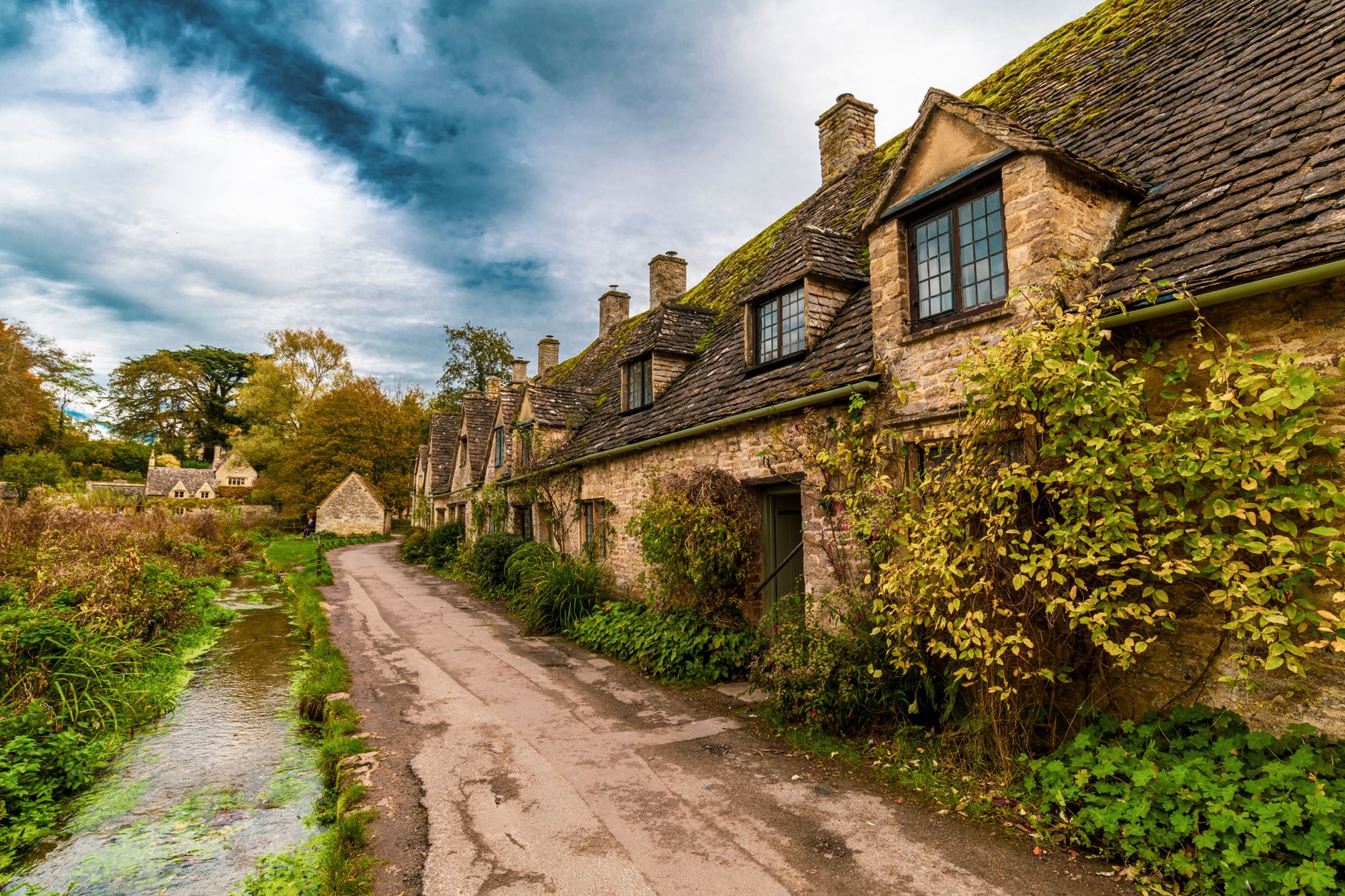
Prefer the south? Swap in Bibury for Arlington Row, Cirencester for the capital of the Cotswolds, and Tetbury for its antique shops and church spire. Either loop gives you a satisfying day. For more set routes, see our Cotswolds itineraries.
Tips for a one-day visit
A car is strongly recommended for a single day, because bus connections between villages will eat into your limited time. Aim to reach your first village by half past nine to make the most of the daylight. If you can, avoid summer weekends, when Bourton and Bibury are at their most crowded. Book a lunch table in advance at a good pub so you are not wandering at one o’clock looking for a free seat. And wear comfortable shoes even for a short visit, because the pavements are uneven and the lanes often cobbled.
Who a day trip suits
A day trip works best for visitors based in London, Oxford, Bath or the Midlands who want a taste without an overnight, and for anyone on a wider UK road trip who wants to fold the Cotswolds in without giving it the whole holiday. Plenty of people do a day trip, fall for the place, and come back for longer; that is exactly how it tends to go.
Two days in the Cotswolds: a proper weekend
Two days is a popular and sensible length. It lets you cover more ground than a day trip without any sense of rushing, and crucially it gives you an evening in a Cotswold village, which is when the day-trippers have left and the place feels like it belongs to you.
A suggested two-day plan
On the first day, work the northern villages. Begin in Chipping Campden, one of the great wool towns, to walk the High Street, see St James’ Church and the Jacobean Market Hall. Drive ten minutes to Broadway for the high street and, if the weather plays along, up to Broadway Tower for views said to reach sixteen counties. In the afternoon, drop into tiny Snowshill and its eccentric National Trust manor, then settle in Stow-on-the-Wold for dinner at one of its good pubs.
On the second day, take in the central villages. Spend the morning in Bourton-on-the-Water, walking the Windrush and, if you have children, calling in at Birdland. Drive to the Slaughters, Upper and Lower, two of the most peaceful and photogenic villages anywhere in the region, linked by an easy riverside path. Spend the afternoon in Bibury for Arlington Row and the clear waters of the Coln, and if time allows finish in handsome Burford, whose broad High Street sweeps down to the river. Our guide to the Slaughters covers that gentle walk in detail.
Where to stay for two days
Stow-on-the-Wold and Chipping Campden make the best bases for a weekend, both central, both well supplied with rooms and restaurants, both an easy reach of the surrounding villages. Bourton-on-the-Water is another option but gets very busy by day. For a quieter base with a train station, consider Moreton-in-Marsh, which keeps London within easy reach. Compare the options in our guide to where to stay in the Cotswolds.
Who two days suits
A weekend works well for couples after a romantic escape, for friends wanting a mix of sightseeing and long lunches, and for anyone keen to see the highlights without booking a whole week off. It is also ideal if you are pairing the Cotswolds with a couple of days in Oxford or Bath on the same trip.
Three days in the Cotswolds: the sweet spot
For most first-time visitors, three days is the ideal length. It gives you time to explore the famous villages, fit in a proper countryside walk, visit a garden or a country house, and still take unhurried meals, all without feeling like you are ticking boxes on a list. Three days is enough to understand the Cotswolds and leave wanting more, which is exactly the right note to end on.
A suggested three-day plan
Day one, the northern classics: Chipping Campden, Broadway and Broadway Tower, then quiet Snowshill, with dinner in Stow-on-the-Wold or Moreton-in-Marsh. Day two, the heart of the region: a gentle morning walk from Bourton to the Slaughters, an afternoon in Bourton itself, then on to underrated Northleach with its magnificent wool church and to Bibury. Day three, the south: Cirencester for the excellent Corinium Museum and the market, then Tetbury for antiques and St Mary’s soaring spire, finishing with either Westonbirt Arboretum or a look at Castle Combe, often called England’s prettiest village.
Adding a walk to a three-day trip
Three days leaves room for a genuine walk rather than just village strolling. Good options include the circular from Bourton-on-the-Water through the Slaughters, about three miles and easy; Broadway up to Broadway Tower and back on the Cotswold Way, around four miles and moderate; the Chipping Campden to Broadway section of the Cotswold Way, roughly six miles and moderate; or a circuit from Bibury through Coln St Aldwyns and back along the river, about five miles and easy. Our walking and hiking guide has many more.
Four to five days: going deeper
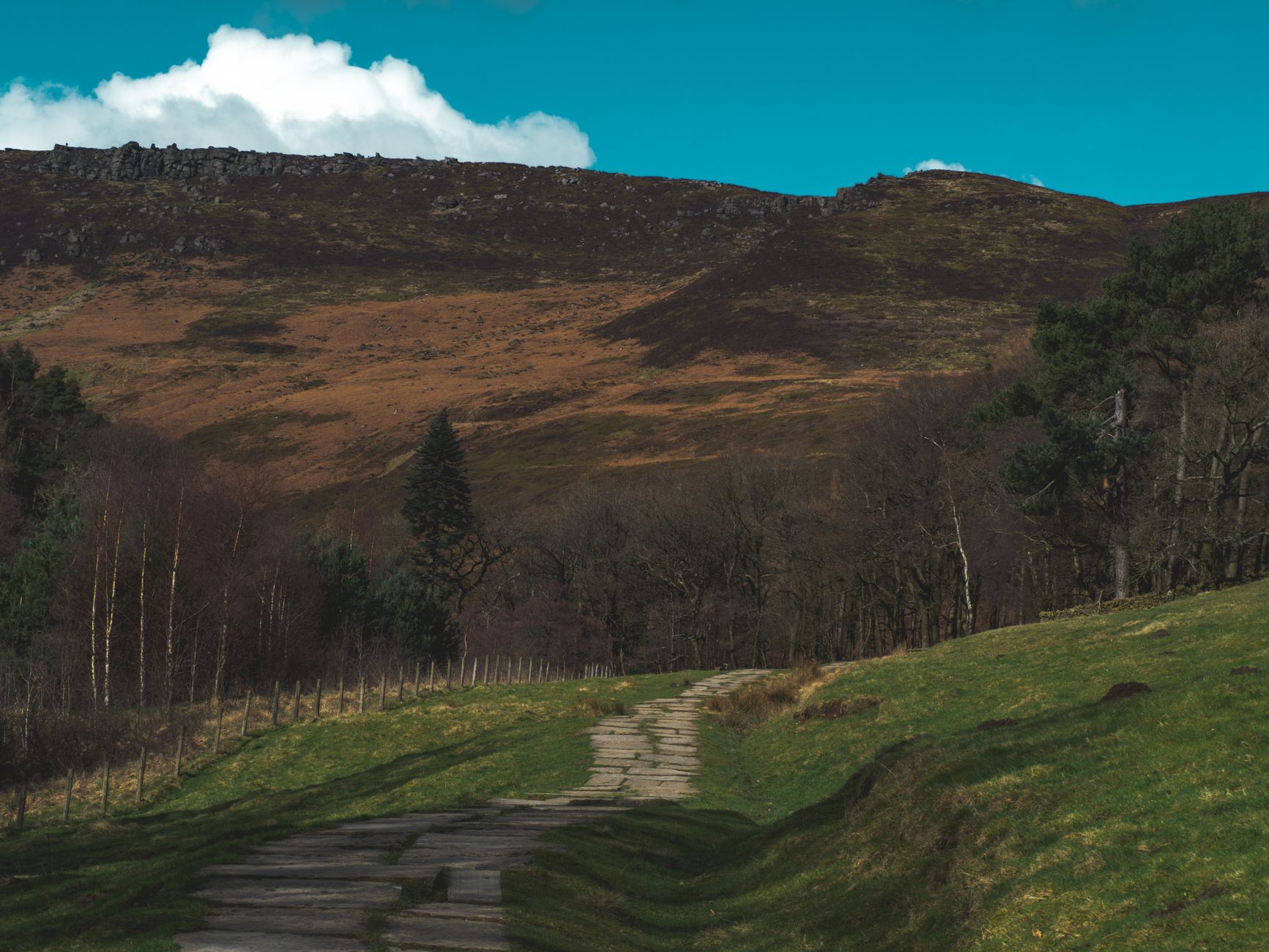
With four or five days you move past the honeypots and start to find the quieter, more authentic Cotswolds, the villages where you might be the only visitor, the pubs where locals outnumber tourists, the paths where the only company is birdsong and sheep. This is where the region rewards you for slowing down.
What the extra days add
Hidden villages: with more time you can reach gems like Guiting Power, Naunton with its dovecote above the Windrush, Stanton, arguably the most perfectly preserved village in the region, the string of tiny Duntisbournes along their stream, and Winchcombe, a working town that makes a superb walking base.
Gardens and country houses: the Cotswolds has some of England’s finest. Extra days let you take in Hidcote Manor Garden, the Arts and Crafts masterpiece, Kiftsgate Court next door but utterly different in spirit, Batsford Arboretum, Sudeley Castle and its grounds at Winchcombe, and the Painswick Rococo Garden.
Food and drink: more time means the Saturday farmers’ market at Stroud, widely rated one of the best in the country, a brewery or distillery tour, and a meal at a destination dining room like the Wild Rabbit at Kingham or the Wheatsheaf at Northleach. Our guide to Cotswolds food and drink points the way, and if you are watching the pennies, our tips on the Cotswolds on a budget help stretch the money.
Outdoor activities: beyond walking, the extra days open up cycling the quiet lanes, kayaking on the Thames near Lechlade, riding across the wolds, or watersports at the Cotswold Water Park. There is more in our guide to outdoor activities in the Cotswolds.
Where to base yourself for four to five days
For a longer stay, Stow-on-the-Wold or Cirencester both work as a single base, central enough to reach north and south alike. Alternatively, split the stay to cut driving: two or three nights in the north at Chipping Campden or Stow, then two nights in the south at Cirencester or Tetbury, which also gives you two distinct characters of the region in one trip.
Six to seven days: the complete experience
A full week sounds indulgent, but it is the length people most often wish they had booked. A week gives you time to explore properly, take spontaneous detours, linger over long lunches and settle into the slow rhythm that makes the Cotswolds what it is.
What a week allows
With seven days you can walk a substantial chunk of the Cotswold Way, the 102-mile National Trail that runs from Chipping Campden to Bath along the western escarpment. Even a three or four day section is unforgettable. A week also lets you hit the market towns on their market days, Moreton-in-Marsh on Tuesday, Stow on Thursday, Cirencester on Monday and Friday, Stroud’s farmers’ market on Saturday, and catch whatever local events or festivals happen to coincide with your visit. You will have time for the edges too, Malmesbury, Bradford-on-Avon, and Regency Cheltenham with its renowned festivals, plus a day trip to Oxford, Bath or Stratford-upon-Avon, all within easy reach.
Is a week too long?
Not if you enjoy the pace. The Cotswolds rewards slow travel. Unlike a city break, where you might feel you have seen the highlights in three or four days, this region keeps turning up new layers: a perfect village you had never heard of, a walk through bluebell woods, a chat with a stallholder at a market, an exceptional meal at a pub you stumbled into. The people who regret their trip length almost always wish they had stayed longer, never shorter.
What affects your ideal trip length
Travelling with or without a car
A car dramatically increases what you can see in any given time. With one, three or four villages a day is realistic. Without one, you are limited by bus timetables, which link the main villages but run infrequently, especially on Sundays. If you are relying on public transport, add a day to whatever length you had in mind, or focus on the villages reachable by train, Moreton-in-Marsh, Kingham and Honeybourne among them. Our guide to getting to and around the Cotswolds covers the practicalities.
Your travelling style
Are you a fast-moving sightseer who wants to photograph every famous village, or a slow traveller content to sit in a pub garden and watch the afternoon pass? The Cotswolds suits the latter beautifully, but if you are more of a highlights-hunter you can genuinely cover the essentials in two or three days. Be honest with yourself about which you are, because it changes the maths.
The time of year
Daylight changes everything. In June the sun is up past nine in the evening, so you can pack a great deal into each day. In December it is dark by half past four, which limits what you can see, though the atmosphere more than makes up for it. Plan your itinerary around the available light, and see our guide to the best time to visit the Cotswolds for the seasonal detail.
Your interests
Different passions call for different lengths. Village sightseeing and photography needs two or three days for the highlights. Serious walking benefits from four to seven. Food and drink is best with three to five, to take in markets, restaurants and producers. History and heritage, churches, Roman sites and manor houses, wants four or five; our guide to Cotswolds history and heritage shows why. Antiques and shopping hunters need three or four days to do the best towns justice.
Travelling with children
Travelling with children generally means a slower pace and time built in for attractions like Birdland, the Cotswold Motoring Museum, Adam Henson’s Cotswold Farm Park and the various adventure playgrounds. A three or four day family trip tends to be ideal, long enough to mix child-friendly outings with village visits without anyone melting down. Our guide to Cotswolds family holidays goes into the detail.
Our recommendation
For first-time visitors, book three days. It is enough to see the major villages, fit in a walk, eat well and leave wanting to return, which is the right feeling to go home with. It strikes the balance between seeing enough to understand the place and not rushing so hard that you miss the point of it.
For returning visitors and slow travellers, five days lets you go deeper into the hidden corners, catch a market day, walk a longer section of trail and enjoy the region as it is meant to be enjoyed, without a checklist. And for walkers, a full week gives the flexibility to match your route to the weather and explore the villages along the way. Whichever you choose, our Cotswolds itineraries lay out day-by-day plans to build on.
Frequently Asked Questions
Is two days enough for the Cotswolds?
Yes. Two days is enough to see the main highlights, Bourton-on-the-Water, Broadway, Chipping Campden and Bibury among them. You will not see everything, but you will come away with a genuine, satisfying sense of the region. Focus on one area, north or south, rather than trying to cover too much ground.
Can I see the Cotswolds in one day?
You can get a good taste in a day, especially with a car, by focusing on two or three villages close together. A day trip will not show you everything, but it is well worth doing, and many people who come for a day return later for a longer stay.
How many days do you need in the Cotswolds without a car?
Without a car, add a day or two compared with driving. Bus connections exist between the main villages but run infrequently, especially on Sundays. Base yourself in Moreton-in-Marsh for the train links or in Stow-on-the-Wold, and use the local bus services along the main routes. A guided tour is another good option for getting between villages without your own transport.
Is the Cotswolds just villages? Will I get bored?
Far from it. Beyond the villages there are long-distance walking trails, outstanding gardens, historic country houses, an excellent food scene including fine dining, outdoor activities from cycling to watersports, and a full calendar of events. Most visitors find the opposite problem, too much to do rather than too little.
Should I book a guided tour or explore independently?
Both work. Independent travel with a car gives the most flexibility. Guided tours are excellent for day-trippers from London or anyone without a car, handling the logistics and adding local knowledge. For a multi-day trip, independent travel with accommodation booked in advance is usually the most rewarding approach.
What is the ideal number of days in the Cotswolds?
Three days suits most first-time visitors, balancing the major villages, a walk and good food without rushing. Returning visitors and slow travellers do better with five, and walkers tackling the Cotswold Way or a series of day walks will want a full week.
Related guides
Build your trip with our complete guide to visiting the Cotswolds and detailed Cotswolds itineraries. Pick your villages with the prettiest villages in the Cotswolds, time it right with the best time to visit, and keep costs down with our guide to the Cotswolds on a budget.