The Cotswolds has a reputation for relieving visitors of their money. Country-house hotels with spa menus, gastropubs charging £24 for a plate of lamb, farm shops where a wedge of cheese costs more than a supermarket trolley. All of that exists, and you can spend a fortune here if you want to. You really do not have to.
Here is the honest version. The single best thing about the Cotswolds — walking pale-gold villages and the hills behind them — costs nothing at all. The churches are free. The footpaths are free. The views from the escarpment are free. Get the big costs (a bed and your transport) under control, pack a few picnics, and a couple of days here can run to less than a single night in one of those headline hotels. This is how to do the Cotswolds properly without spending what you do not have.
What a Cotswolds trip actually costs
Let us be concrete, because vague reassurance is no use to anyone planning a budget. Your three big line items are the bed, getting around, and food. Everything else — the walking, the villages, the markets, most of the churches — is either free or a few pounds. Sort the big three and the trip looks after itself.
As a rough guide, at the time of writing you can do a frugal but genuinely good day here for roughly £20 to £35 a head if you bring the car and a packed lunch. A careful weekend, with a hostel or a modest bed and breakfast and one pub meal, lands somewhere around £120 to £180 each. A self-catering week shared with friends or family can work out at £350 to £500 a person all in. None of those numbers requires you to miss the good stuff. They simply mean you spend on the village and the walk rather than the tasting menu.
If you are still weighing the trip up at all, our honest look at whether the Cotswolds is worth visiting sets out the pros and cons plainly, and the wider Cotswolds travel guide covers the basics of planning a first trip.
Free things to do that are actually the best things to do
The thing to grasp about the Cotswolds is that the headline experiences and the free experiences are mostly the same thing. Nobody charges you to walk down a honey-stone lane at golden hour. So the budget traveller is not missing out here. If anything, the people queuing for a paid attraction are often the ones who got it slightly wrong.
Walk the villages
Wandering the prettiest Cotswolds villages on foot is the whole point of the place, and it is free. Follow the River Windrush through the middle of Bourton-on-the-Water, photograph Arlington Row in Bibury, stand under the arches of the seventeenth-century Market Hall in Chipping Campden, read the dates carved over doorways in Stow-on-the-Wold. Each village has its own character and not one of them charges you to look. The trick is timing rather than money — turn up before nine or after five and you get the same village without the crowds, also for free.
Walk the hills
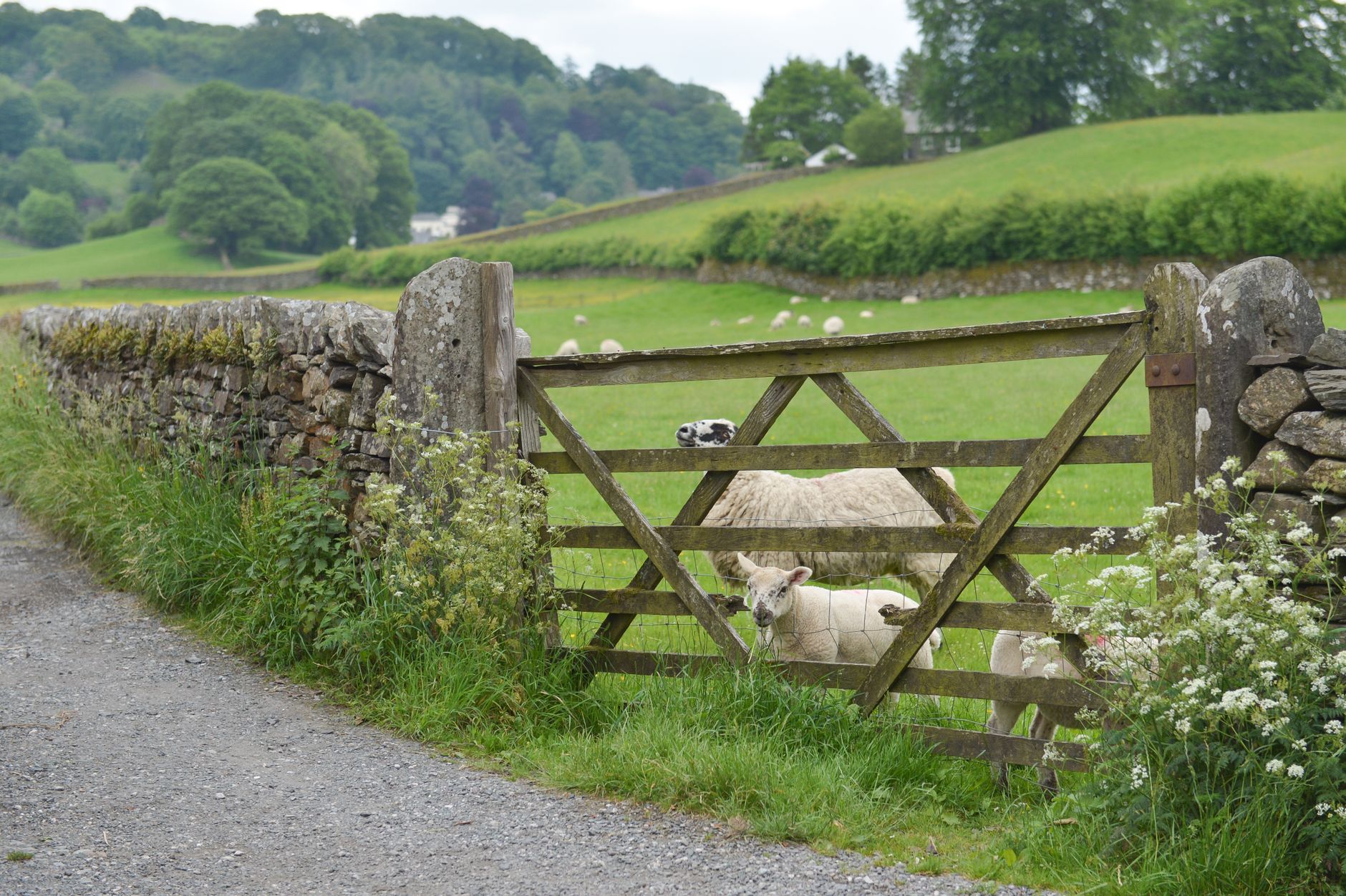
There are hundreds of miles of public footpath and bridleway across the Cotswolds, every step of it free to walk. The big one is the Cotswold Way, a 102-mile National Trail running the western escarpment from Chipping Campden to Bath; you can pick off a single dramatic stretch in an afternoon without committing to the whole thing. Shorter circuits cost nothing and reward you handsomely: the loop from Bourton-on-the-Water through Lower and Upper Slaughter (about three miles, flat and easy), the climb to Broadway Tower and back, or the field paths from Winchcombe out to Sudeley. Our walking and hiking guide has routes for every level, and a decent walk is, pound for pound, the best thing the Cotswolds offers.
Step inside the wool churches
The medieval clothiers who grew rich on Cotswold wool poured their money into the parish churches, and the result is a string of cathedral-sized buildings in tiny villages. All are free to enter, though a coin in the donation box is the decent thing. St James’ at Chipping Campden is the grandest of the wool churches, with a fifteenth-century tower you can see for miles. The Church of St Mary at Fairford holds the only complete set of medieval stained glass in England, all twenty-eight windows. St John the Baptist in Cirencester is one of the largest parish churches in the country, and St Edward’s at Stow has that famous north door framed by two ancient yew trees that everyone photographs. For the bigger story behind them, see our guide to Cotswolds history and heritage.
Browse the markets
Market days are free entertainment and double as your cheapest lunch. The Tuesday street market at Moreton-in-Marsh is one of the largest in the region, stalls running the full length of the broad high street. Stroud Farmers’ Market on a Saturday morning is regularly named among the best in the country, and even if you buy nothing it is a fine couple of hours. Cirencester has markets on Mondays and Fridays, Stow holds one on a Thursday. There is more in our roundup of Cotswolds farmers’ markets, and the wider shopping and markets guide if you want to make a morning of it.
Find the free green spaces
Some of the famous Cotswold gardens charge a fair bit, but plenty of open space does not. Cirencester Park, the Earl Bathurst’s estate on the edge of town, has thousands of acres of parkland open to walkers on foot. The Cotswold Water Park near South Cerney has free trails threading between its lakes. Village greens, recreation grounds and commons across the region are open to all. There are more no-cost ideas in our dedicated list of free things to do in the Cotswolds if you want to build a whole day around them.
Cheap places to sleep
The bed is usually the biggest single cost of a Cotswolds trip, so this is where careful choices pay off most. The good news is that the region has more affordable options than its glossy reputation suggests — you just have to look past the honeypot villages, where prices are highest.
Camping and glamping
Camping is far and away the cheapest way to stay, with simple pitches often around £15 to £25 a night for two. There are good sites dotted across the region, from basic farm fields to better-equipped touring parks; a pitch near Bourton or out towards the Slaughters puts you within walking distance of the famous villages for a fraction of their room rates. Worth knowing: wild camping is not permitted in England the way it is in parts of Scotland, so pitch on a proper site or ask a farmer rather than chancing it. If a tent feels a step too far, glamping — bell tents, shepherd’s huts, the odd safari lodge — typically starts around £50 to £80 a night and still undercuts a hotel handsomely.
Hostels and bunkhouses
The main YHA option these days is YHA Cotswolds, also known as the Barrel Store, right in the middle of Cirencester at New Brewery Arts. It is a smart, central base with dorm beds usually among the cheapest roofed accommodation in the region, and Cirencester itself is a proper working town with shops, pubs and Roman remains on the doorstep. One thing to flag, since older guides still send people there: the former YHA at Stow-on-the-Wold has closed and is now a pub with rooms, so do not turn up expecting a hostel. Beyond the YHA, a scattering of independent bunkhouses and walkers’ hostels along the Cotswold Way offer simple beds, generally somewhere in the £20 to £35 range. For the full picture, our guide to budget accommodation in the Cotswolds lists hostels, campsites and the cheaper rooms in detail.
Bed and breakfasts
A good bed and breakfast is the sweet spot for a lot of budget travellers: cheaper than a hotel, and that cooked breakfast saves you buying a meal. Modest doubles often start somewhere around £70 to £90 a night, and the way to keep it down is to choose your village carefully. A B&B in a quieter spot like Naunton, Guiting Power or Winchcombe will usually cost noticeably less than the equivalent in Bourton or Broadway, and you are a short drive from the famous places anyway. Midweek almost always beats the weekend on price. Our guide to Cotswolds B&Bs and guesthouses picks out some reliable, good-value choices.
Self-catering for groups
Split between a few people, a self-catering cottage can be surprisingly cheap per head, and the kitchen lets you sidestep restaurant prices entirely. A two-bedroom cottage in a quieter village often starts somewhere around £90 to £130 a night, which divides nicely across a group. Book early, look at villages like Northleach, Lechlade or Moreton rather than the postcard honeypots, and avoid school holidays. Off-season rates from November to March (Christmas aside) can fall by a third to a half. There is more on this in our roundup of Cotswold cottages for self-catering holidays.
Stay on the edge
One of the simplest budget moves is to sleep just outside the Cotswolds proper. The edge towns — Cheltenham, Gloucester, Swindon, Banbury — have chain hotels at prices the villages cannot touch, and most are only twenty to thirty minutes’ drive from the good stuff. This works best if you have a car and do not mind a short commute in and out each day. You trade a little charm at bedtime for a much healthier balance, and you can still spend every daylight hour in the villages. Compare the areas first with our guide to the best areas to stay in the Cotswolds.
Eating well without the gastropub bill
Eating out is where Cotswolds budgets quietly leak. A gastropub main runs to £15 to £24, and a proper restaurant dinner climbs from there. The fix is not to stop enjoying the food — it is to be strategic about when and how you buy it.
Make the picnic your default lunch
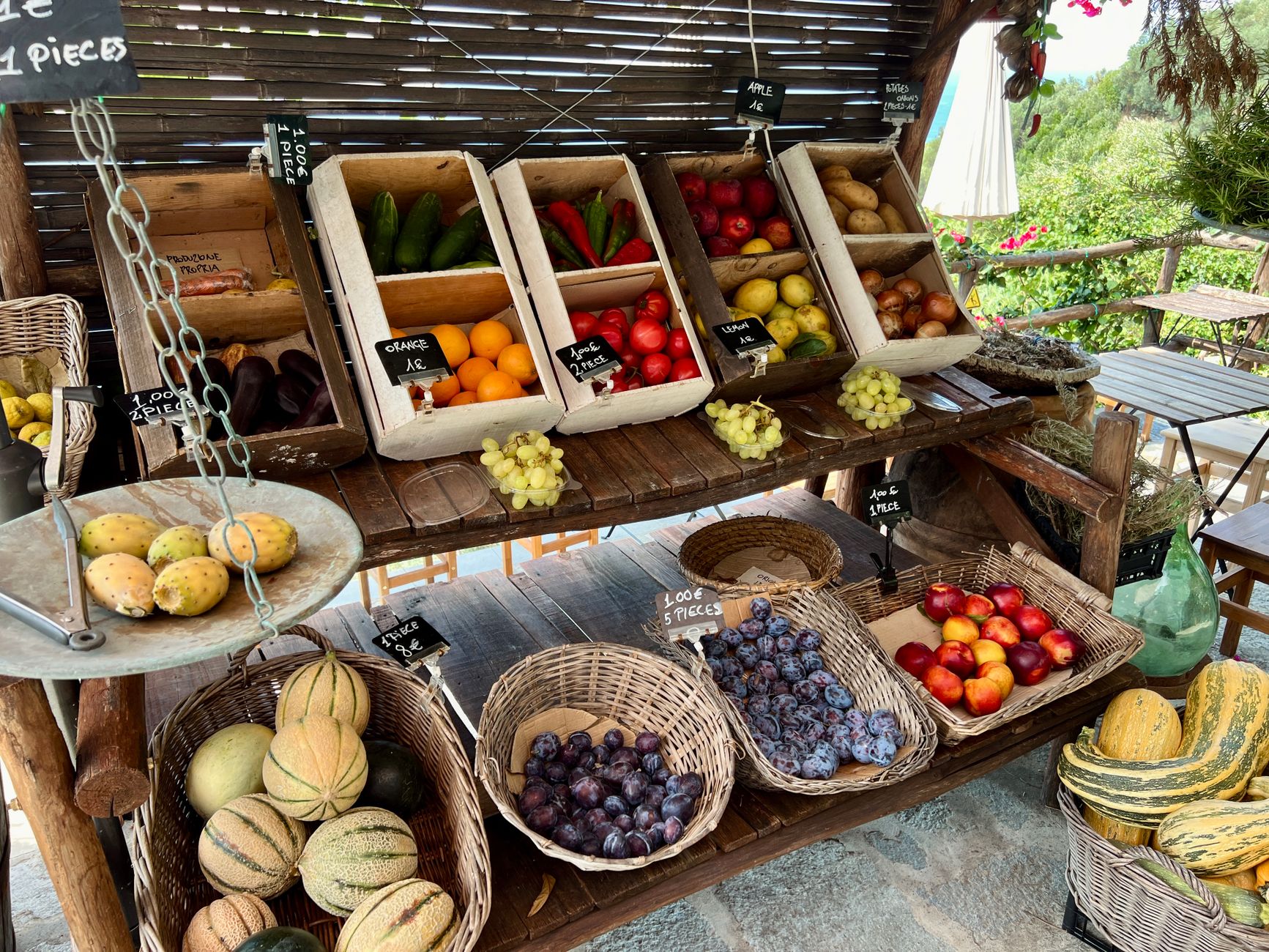
This is the single best budget tip for the region, so I will not bury it. Buy good bread, a lump of local cheese, some fruit and a flask, then eat it somewhere glorious. It costs a fraction of a pub lunch and frankly tastes better with a view in front of you. The banks of the Windrush in Bourton work well, as does the foot of Broadway Tower, the top of Cleeve Common above Cheltenham, or any bench along the escarpment. You are paying for the bread, not the postcode.
Buy from markets and the smaller farm shops
The Saturday market at Stroud has ready-to-eat stalls — pies, pasties, hot food — at sensible prices, and it is a meal with a side of local life thrown in. On farm shops, do be selective: the famous ones such as Daylesford are lovely but priced for special occasions, whereas a smaller independent farm shop will sell you excellent local meat, cheese and veg for a great deal less. Use the big names for a browse and the small ones for your shopping. Our guide to the best farm shops in the Cotswolds flags which is which.
Lunch out, don’t dine out
If you do want a pub meal, have it at lunchtime. The same kitchens often charge appreciably less at midday than in the evening for very similar plates. A ploughman’s — bread, cheese, pickle, salad — is filling, properly British and usually one of the cheaper things on the board. And drink the local cask ale rather than wine: a pint of something brewed a few miles away is far better value than a £7 to £9 glass of wine, and it is the right drink for the setting anyway. For where to find the good ones, see the best Cotswolds pubs and the wider food and drink guide.
Bakeries, chippies and self-catering
Most Cotswold towns have a good bakery turning out pasties, sausage rolls and filled rolls for a few pounds — Huffkins, with branches including Stow and Burford, is a local institution for a cheaper bite. The fish and chip shops in Moreton, Bourton and Chipping Norton will feed you well for under a tenner. And if you are self-catering, cooking your own dinner is the biggest saving of the lot; stock up at the supermarkets in the larger towns and put the money you save towards one proper meal out rather than three mediocre ones.
Getting there and around for less
Transport is the third big cost, and a little planning shaves a lot off it. The headline: book trains early, lean on the buses where they go, and use your own legs for the short hops between villages.
Arriving on the cheap
If you are coming by rail, book in advance. Great Western Railway runs from London Paddington to Moreton-in-Marsh in around an hour and a half, and advance singles booked well ahead can drop to roughly £7 to £15 against £30 or more bought on the day. The earlier you book, the cheaper it tends to be, with advance fares typically released up to around eleven or twelve weeks out. National Express coaches into Cheltenham or Gloucester can be cheaper still if you plan ahead, though they take longer. If you are driving, the saving grace is that the Cotswolds is compact — most destinations sit within half an hour of each other, so the fuel bill stays modest. The full rundown of options is in our guide to getting to and around the Cotswolds.
Getting between villages
The cheapest way to move around is on foot, and the second cheapest is by bike — both effectively free once you are here, and the Cotswolds is well suited to both. Buses connect the bigger villages, even if services are sparser than you might like. The Pulhams 801, for instance, links Cheltenham, Bourton-on-the-Water, Stow-on-the-Wold and Moreton-in-Marsh and carries on towards Chipping Norton, while the 802 connects Kingham railway station with Stow and Bourton — handy for arriving by train and reaching the villages without a car. Day tickets keep the cost down if you are hopping on and off. Check current timetables before you set out, as evening and Sunday services thin right out.
Dodging the parking charges
Parking in the popular villages can quietly add up over a few days, but a fair amount of it is free if you know where to look. Moreton-in-Marsh has a large free car park. Several smaller villages — Stanton and Guiting Power among them — make no charge at all, and Broadway has free spaces up by the church at the top of the village. Arrive early and you can often find free roadside space even in the busier spots. Best of all, walking between neighbouring villages cuts out the car park entirely: Bourton to the Slaughters, or Broadway up to Snowshill, are lovely on foot and cost nothing. Never block a driveway, gateway or field entrance, and if a village looks full, the next one along almost always is not.
Paid attractions that are worth it (and the memberships that pay off)
Plenty here is free, but a few paid attractions earn their keep, and there are smart ways to bring the cost down if you intend to see several.
National Trust and English Heritage
If you plan to visit more than a couple of properties, membership quickly pays for itself. At the time of writing, individual National Trust membership is around £108 a year and a joint membership for two adults around £176, following a price rise in spring 2026, so always check the current figure before joining. That gets you into a good list of Cotswold properties — Hidcote, Snowshill Manor, Chedworth Roman Villa, Chastleton House — as often as you like. English Heritage membership works similarly and covers sites such as Hailes Abbey. Even without joining, it is worth knowing that many National Trust places let you into the gardens, grounds and tea room without paying full house admission, so check the individual property before you assume you have to buy the lot.
Cheap and free museums
Several museums cost little or nothing. The Corinium Museum in Cirencester, one of the best Roman collections in Britain, charges only a modest entry fee. Gloucester Cathedral, just off the western edge of the region and magnificent inside, is free to enter with a suggested donation. The Wilson art gallery and museum in Cheltenham is free. Smaller village heritage centres are often free or donation-only. There are more ideas in our guide to Cotswolds museums if a rainy afternoon needs filling.
Free events through the year
A lot of what happens here costs nothing to attend. Village fêtes and summer fairs are free to wander. The famous Cooper’s Hill cheese rolling near Brockworth, held on the spring bank holiday Monday, is free to watch if you fancy seeing grown adults hurl themselves down a one-in-one slope after a wheel of Double Gloucester. Bonfire Night displays in November and Advent carol concerts in the wool churches are usually free or donation-only. Our calendar of Cotswolds events and festivals flags the ones worth timing a visit around.
When to come if the budget is tight
Timing moves the price more than almost anything else. The cheapest stretch is November to February, Christmas and New Year aside, when room rates can fall by a third to a half from their summer peak and the villages are at their most peaceful. You pay for it in short days and cold weather, but a frosty Cotswold morning is a fine thing and the pubs have fires lit. March and early April, before Easter, give you shoulder-season prices with spring just starting to show. September into mid-October is the other sweet spot: warm enough, harvest produce in the markets, and rates easing off the summer high. Whatever month you choose, midweek beats the weekend on price almost without exception. Our month-by-month guide to the best time to visit spells out the trade-offs.
Three budget plans, with rough numbers
To turn all of this into something you can actually book, here are three sample trips with honest, ballpark costs. Treat the figures as a guide rather than a quote — prices move with the season and how far ahead you book.
A day out, roughly £20 to £35 a head
Drive in from a nearby town (fuel maybe £10 shared). Spend the morning walking Bourton-on-the-Water, free. Lunch is a bakery pasty or a picnic, around £5. In the afternoon walk out to the Slaughters and back, free and about three miles. Finish with a wander round Stow-on-the-Wold, also free, and a cup of tea and a slice of cake if you fancy it, another £5 or so. You have had a full, varied day for the price of lunch and a coffee.
A weekend, roughly £120 to £180 a head
Stay two nights at a hostel or a modest B&B (£50 to £90 across the weekend, depending). Get there on an advance train ticket and use a bus day pass on the ground (£25 to £35). Eat picnic lunches, one pub meal and a self-catered or included breakfast (£30 to £50). Fill the days with walking, villages, churches and a market, all free, and treat yourself to one cream tea or one good pub lunch (£15 to £20). It adds up to a proper weekend without a wince at the bill.
A week, roughly £350 to £500 a head
Share a self-catering cottage with a partner or friends (£150 to £250 each across five nights). Cover transport with car fuel or an advance train plus buses (£30 to £60). Cook most nights and eat out two or three times (£80 to £120). Add a couple of paid attractions on top of all the free walking and villages (£20 to £40). For a full week in one of England’s loveliest corners, that is genuinely good value, and you will not have skipped anything that matters.
The short version: how to save money in the Cotswolds
If you remember nothing else, remember this. Book your bed and your train tickets early, and the rest gets easier. Come off-peak and midweek if you possibly can — it is the biggest lever you have. Build your days around the free pleasures, because the walking, the villages, the churches and the markets are not the cheap option, they are the best option. Picnic for lunch and save your eating-out budget for one good evening rather than three forgettable ones. If you will visit several historic houses, do the membership maths. And sleep in a quieter village or an edge town, where the same money buys a great deal more. Do those things and the Cotswolds is yours for a fraction of its reputation.
Frequently Asked Questions
Is the Cotswolds expensive to visit?
It can be, if you choose boutique hotels and gastropub dinners — but it absolutely does not have to be. The best of the Cotswolds, the walking and the villages, is free. With a hostel or modest B&B, a few picnics and a bit of planning, many people manage comfortably on around £30 to £50 a head a day.
Can I visit the Cotswolds for free?
A day trip can cost next to nothing beyond getting there. Walking the villages, hiking the footpaths, stepping into the wool churches and browsing the markets are all free. Bring a packed lunch and your only real outlay is the fuel or the bus fare.
What is the cheapest time to visit the Cotswolds?
January and February are the cheapest, with room rates at their lowest and no peak-season premium, and November is not far behind. You trade away long days and warm weather, but the villages are quiet and the pubs have their fires going. Whenever you come, midweek almost always beats the weekend on price.
Are there hostels in the Cotswolds?
Yes. The main one is YHA Cotswolds, the Barrel Store, in the centre of Cirencester, usually among the cheapest beds in the region. A scattering of independent bunkhouses along the Cotswold Way serve walkers too. Note that the old YHA at Stow-on-the-Wold has closed and is now a pub with rooms, so ignore older guides that still list it.
Is it cheaper to visit the Cotswolds without a car?
It can be, especially if you book advance train tickets and use bus day passes. The catch is that buses do not reach many of the loveliest villages and thin out in the evenings, so a car buys you flexibility and access to cheaper accommodation off the beaten track. For a group, sharing a car is usually the cheapest way of all once you split the fuel.
How much should I budget for a weekend in the Cotswolds?
On a careful budget, roughly £120 to £180 a person covers two nights in a hostel or modest B&B, an advance train ticket and some bus travel, mostly self-catered or picnic food with one pub meal, and a small treat. Spend more on the bed and the dining and it climbs quickly, but it does not have to.
Related guides
Plan the wider trip with our complete guide to visiting the Cotswolds, then weigh it up honestly with is the Cotswolds worth visiting. For the practical side, our Cotswolds travel tips cover parking, etiquette and crowds, while the lists of free things to do and budget accommodation dig deeper into stretching your money.