Walk into a Cotswold beech wood on a still morning in late April and you understand why people fall in love with this landscape. The light filters green and gold through the new leaves, the floor is a haze of bluebells, and the only sound is birdsong and the soft crunch of your boots. The Cotswolds is famous for its golden villages and rolling hills, but its woodlands are, to me, its best-kept secret, and they are at their most magical in spring.
This guide is a celebration of the Cotswolds’ woodland walks: the great beech hangers of the escarpment, the ancient woods full of bluebells, the peaceful valley forests with their lakes and wildlife. I have gathered the best places to walk among the trees through the seasons, with notes on where to go, when to visit for the bluebells, and what makes each wood special. It works alongside our wider guide to walking and hiking in the Cotswolds and our pick of the best circular walks in the Cotswolds.
The Great Beech Woods of the Escarpment
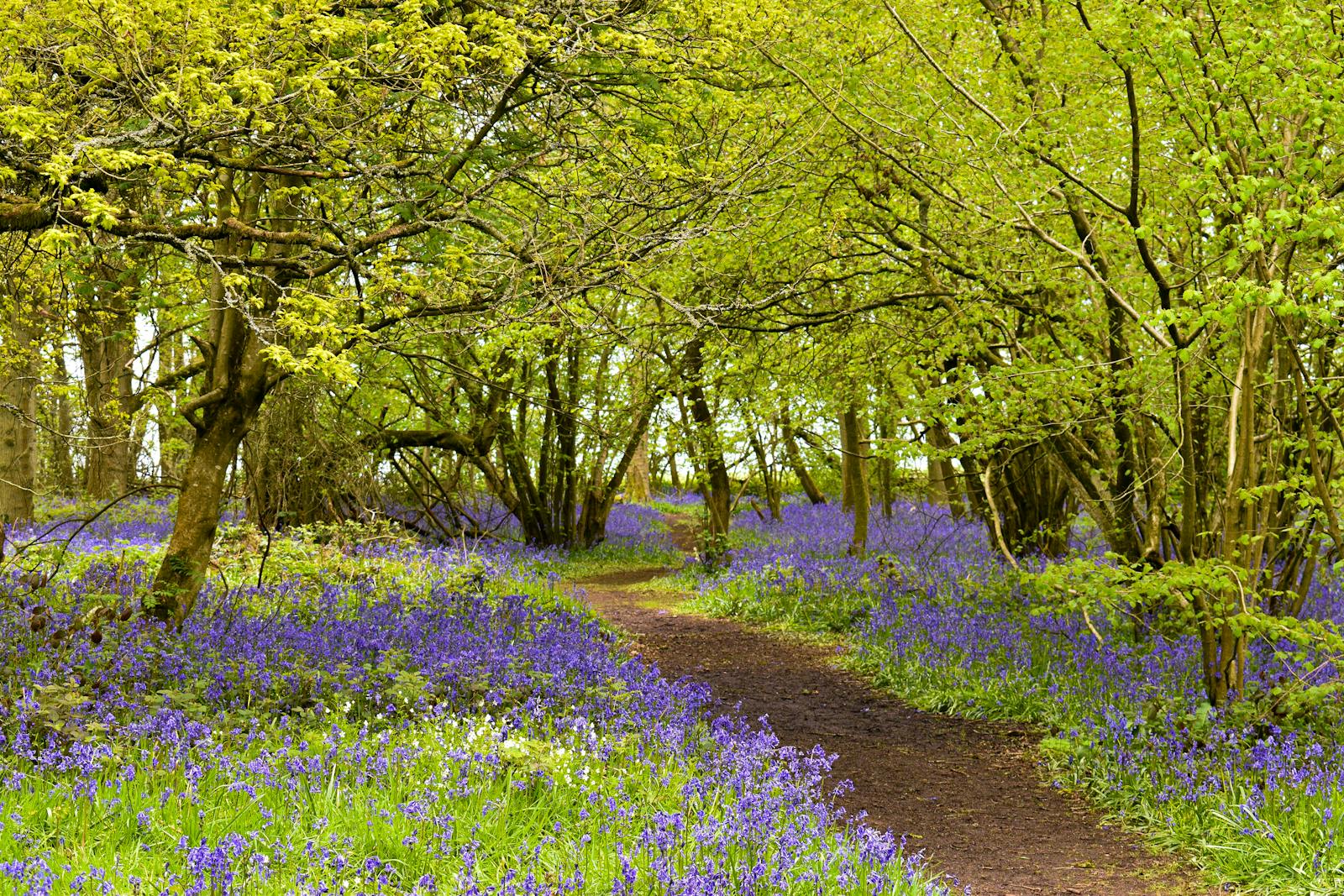
The classic Cotswold woodland is beech, and the finest beech woods cloak the steep western escarpment above the Severn Vale. The Cotswold Commons and Beechwoods National Nature Reserve around Cranham, Buckholt and Saltridge, near Painswick, is the jewel: a vast spread of ancient beech hangers on the scarp slope, criss-crossed by paths and famous for its spring flowers and rare wildlife. Walking here, beneath the soaring grey trunks, feels like stepping into a cathedral of trees.
These escarpment woods are at their best in spring, when the bluebells and wild garlic come out, and again in autumn, when the beeches turn every shade of copper and gold. The Cotswold Way threads through many of them, so a stretch of the National Trail makes a wonderful woodland walk in its own right, combining the trees with the big escarpment views. Our Cotswold Way walking guide covers the route in detail.
Where to See Bluebells in Spring
For many walkers, the bluebell season is the highlight of the woodland year, and the Cotswolds has some spectacular displays. The classic time is late April into early May, though it varies a week or two each year with the weather, so check before you travel. Among the best spots are the beechwoods around Cranham and Painswick, the woods at Snowshill and Littleworth Wood near Broadway, and the National Trust’s Woodchester Park near Stroud, all of which put on a memorable show.
A vital point of woodland etiquette: bluebells are fragile and slow to recover, and the native English bluebell is a protected species, so always keep to the paths and never trample into the carpets for a photograph. Stick to the marked trails and you can enjoy the spectacle without harming it, leaving the display for the walkers who come after you. Our guide to the Cotswolds in spring has more on the bluebell season and the best places to enjoy it.

Woodchester Park: Lakes and Lost Valley
If I had to pick one woodland walk to send a first-timer on, it might be Woodchester Park, a National Trust estate in a steep, secluded valley near Nympsfield, south of Stroud. A chain of five lakes runs down the wooded valley floor, the remains of an eighteenth-century landscape park, and the walking trails loop through mature woodland past the water, with the eerie, never-completed Victorian mansion hidden in the trees at the heart of it all.
There are waymarked routes of varying lengths, from a short lakeside stroll to a longer circuit of the whole valley, so it suits all abilities, and the going is good on woodland tracks. It is wonderful for wildlife too, with rare bats, woodpeckers and herons among the residents, and beautiful in every season. There is a car park (National Trust, pay for non-members) and the trails are well signed, making it an easy and rewarding day out.
Ancient Woodland and Wildlife
Some Cotswold woods are classified as ancient woodland, meaning they have been continuously wooded since at least 1600 and often far longer. These are the richest of all for wildlife, with a deep history written in their veteran trees, old boundary banks and carpets of “ancient woodland indicator” flowers like bluebell, wood anemone and wild garlic. The beechwoods of the escarpment, parts of Woodchester, and pockets across the region all qualify, and walking in them connects you to centuries of landscape.
The wildlife is a huge part of the appeal. Cotswold woods are home to deer, badgers and a wealth of birds, from drumming woodpeckers to the rare resident species of the nature reserves. Spring brings birdsong and flowers, summer the cool of the canopy, autumn the fungi and falling leaves, and winter the stark beauty of bare trees and clear views. Tread quietly, keep dogs under control near wildlife, and you may be richly rewarded.
Arboretums: Trees on a Grand Scale
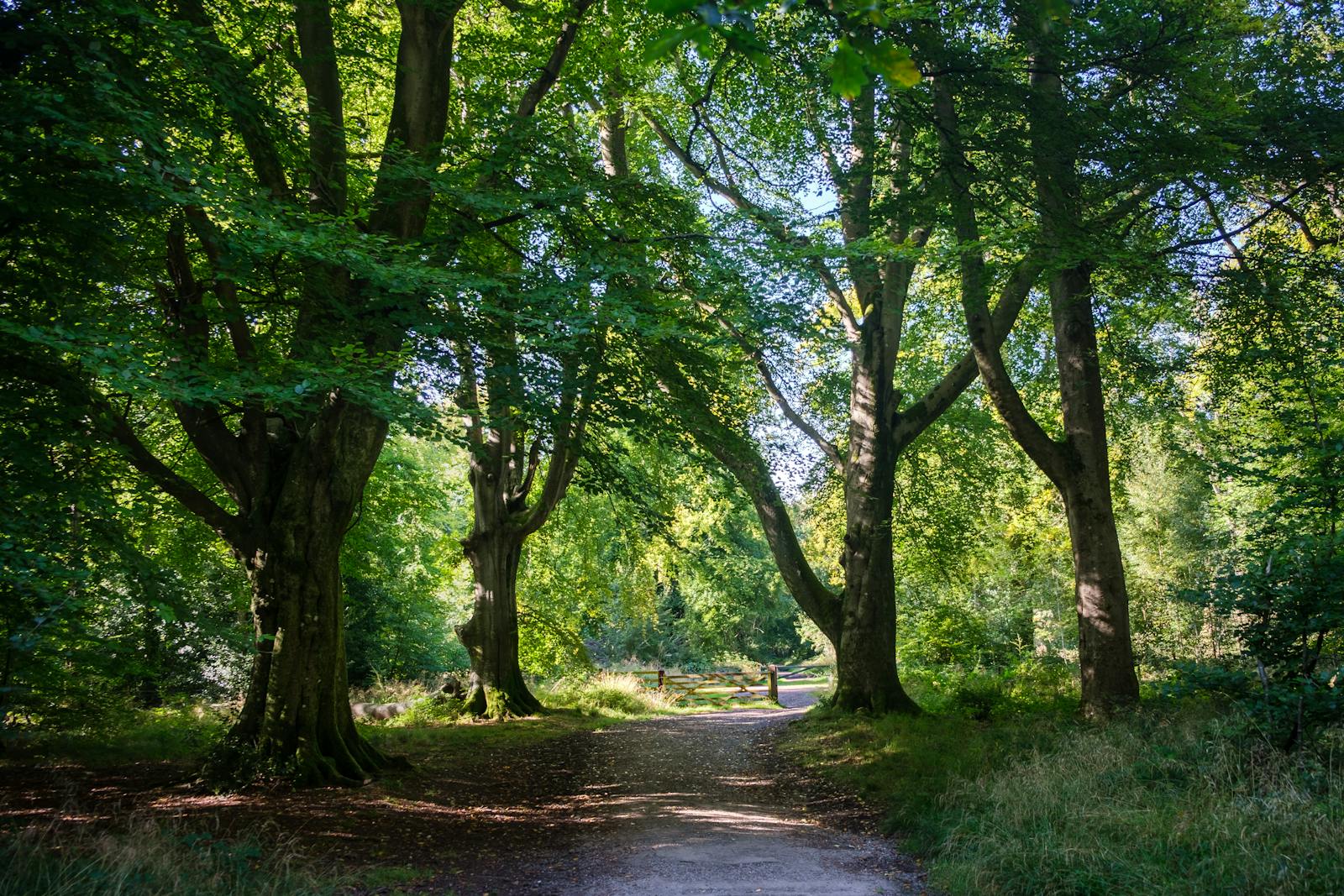
For trees of a different kind, the Cotswolds has two of the country’s great arboretums. Westonbirt, the National Arboretum, near Tetbury, is the most famous, a vast Victorian tree collection with seventeen miles of paths winding through specimen trees from around the world, justly celebrated for its spectacular autumn colour. Batsford Arboretum, near Moreton-in-Marsh, is smaller but lovely, with a wild, naturalistic planting that is glorious in both spring blossom and autumn.
These are managed collections rather than wild woods, with entry fees, cafés and facilities, which makes them ideal for an easy, all-weather walk among trees, especially with families or less mobile visitors. Autumn is the headline season at both, but they reward a visit at any time of year. Our guide to the best things to do in the Cotswolds has more on Westonbirt and other tree-filled days out.
Practical Tips for Woodland Walking
Woodland walking has a few quirks worth knowing. The going can be muddy and slippery, especially on the steep escarpment slopes after rain, so proper boots with grip are essential, and tree roots make for uneven footing. Navigation can be trickier than on open hills, as the trees hide the views and one path looks much like another, so carry a map or a navigation app such as OS Maps with your route downloaded for offline use, since signal under the canopy is often poor.
Be considerate of the woodland itself: keep to the paths, especially in bluebell season, take your litter home, and keep dogs under close control near deer and ground-nesting birds. In the nature reserves, follow any signs about sensitive areas. With a little care, woodland walking is one of the most peaceful and rewarding ways to enjoy the Cotswolds, and it offers shade in summer and shelter in winter when the open hills are exposed.
More Woods Worth Exploring
Beyond the headline names, the Cotswolds hides dozens of smaller woods well worth seeking out. Lineover Wood, a Woodland Trust site on the slopes above Cheltenham, is one of the largest ancient woodlands in Gloucestershire, with veteran trees and grand views from its upper edge. Workman’s Wood in the Ebworth estate near Painswick forms part of the great beechwoods reserve, while Siccaridge Wood in the Golden Valley near Sapperton clothes the steep canal-side slopes in flowers each spring.
Up in the north, the woods around Snowshill, Broadway and Chipping Campden offer lovely walking, with Dover’s Hill and the surrounding copses combining trees and escarpment views. In the south, the steep hanging woods of the By Brook valley near Castle Combe are quiet and atmospheric. Half the pleasure of woodland walking here is the discovery: park up, follow a footpath into the trees, and you rarely know quite what you will find, which is exactly the appeal.
Woodland Walks Through the Seasons
Woodland is the one Cotswold habitat that genuinely transforms with every season, which is why I return to the same woods again and again. Spring is the showstopper, with wood anemones and wild garlic giving way to the bluebell carpets, fresh green leaves unfurling and birdsong at its peak. Summer brings deep, cool shade, a blessing when the open hills bake, and the woods stay comfortable for walking even on the hottest days.
Autumn is arguably the finest season of all, when the beeches blaze copper and gold and the floor fills with fungi and fallen leaves; this is the time to head for Westonbirt or any escarpment beechwood. Winter strips the trees bare, opening up views you never see in summer, and a frosty morning in a silent wood has a stark beauty all its own. The bare months are also the best time to appreciate the shape and scale of the veteran trees themselves.
Wildlife to Look and Listen For
Cotswold woods are alive with wildlife if you walk quietly and keep your eyes open. Deer are widespread, with roe and fallow most common, often glimpsed at dawn or dusk slipping between the trees. Badgers dig their setts in the wooded banks, and the woods ring with birdsong: listen for the drumming of great spotted woodpeckers, the mewing of buzzards overhead and, in the richest reserves, rarer woodland specialists.
The beechwoods reserve near Painswick is nationally important for its insects and fungi as well as its flowers, and Woodchester Park is famous for its bats, including rare greater and lesser horseshoe species that roost in the old mansion and feed along the valley. Spring and early summer are best for birdsong and flowers, autumn for fungi, and the quiet edges of the day for mammals. Walk softly, keep dogs close, and the woods will show you far more.
Combining Woods With Villages and Pubs
Some of the most satisfying woodland walks link the trees with a honey-stone village and a good pub. The Sapperton and Daneway loop through the Golden Valley combines Siccaridge and Sapperton woods with the disused canal and two excellent inns. A walk through the Snowshill woods can finish at the cosy Snowshill Arms, while routes from Painswick, the “Queen of the Cotswolds”, thread the beechwoods before returning to the town’s cafés and pubs.
This pairing of woodland and village is the Cotswolds at its most quintessential: an hour or two among the trees, then a pint and a plate of something hearty by the fire. Our guides to the best pub walks in the Cotswolds and the most characterful pubs in the region will help you plan the reward at the end of your woodland walk.
Best Woodland Walks at a Glance
To pull it together, here is where I would point you first. For bluebells and ancient beech, head to the Cranham and Painswick beechwoods reserve. For an easy family walk with lakes, choose Woodchester Park. For spectacular autumn colour, make for Westonbirt or Batsford Arboretum. For a woodland-and-pub day, walk the Sapperton and Daneway loop in the Golden Valley. And for quiet discovery, explore the smaller Woodland Trust sites and the hanging woods of the south.
Whichever you choose, the woods reward those who slow down and pay attention, to the light, the flowers, the birdsong and the changing seasons. Pack proper boots, download your route, and give yourself time to linger. The Cotswolds’ woodlands are every bit as special as its famous villages, and far fewer people make the effort to seek them out. Our wider walking and hiking guide has many more routes to explore.
Getting There and Access
Most of the best woods lie along the western escarpment between Cheltenham, Painswick and Stroud, which is easily reached by car and, for some, by bus from Cheltenham or Stroud, both of which have railway stations. Woodchester Park, Westonbirt and Batsford all have car parks (with charges for non-members at the National Trust and arboretum sites), while the beechwoods reserve has several small roadside parking areas and laybys, which fill quickly on fine spring weekends.
Woodland terrain is rarely fully step-free, with roots, slopes and mud the norm, so genuine accessibility is limited; the arboretums at Westonbirt and Batsford have the firmest, most accessible paths if mobility is a concern. For everyone else, the reward for a bit of mud and a climb is some of the most beautiful and peaceful walking in southern England. Our guide to getting to and around the Cotswolds has more on travelling here.
However you arrive, aim to start early on spring weekends to enjoy the bluebells in peace and to find a parking space, and bring everything you need, as the woods themselves have few facilities beyond the managed arboretums. A flask, a packed lunch and a sense of unhurried curiosity are the best things to carry into a Cotswold wood.
Whether you come for the spring bluebells, the cool of a summer canopy, the blaze of autumn beech or the bare stillness of winter, there is no wrong season to walk among the Cotswold trees, only different kinds of magic to discover each time you return.
Frequently Asked Questions
Where are the best bluebell woods in the Cotswolds?
The beechwoods around Cranham and Painswick, Littleworth Wood near Snowshill and Broadway, and the National Trust’s Woodchester Park near Stroud all have spectacular bluebell displays, usually peaking in late April into early May. Always keep to the paths to protect the flowers.
When do the bluebells come out in the Cotswolds?
Typically from mid or late April into early May, though it shifts a week or two each year with the weather. Check local updates before travelling, as the peak display lasts only a couple of weeks.
What is the best woodland walk for families?
Woodchester Park has well-signed trails of varying lengths past a chain of lakes, making it ideal for families. The arboretums at Westonbirt and Batsford offer easy, all-weather walking among trees with cafés and facilities.
Are Cotswold woodland walks good in autumn?
Wonderfully so. The beech woods of the escarpment turn copper and gold, and Westonbirt Arboretum is one of the country’s premier destinations for autumn colour, with its maples especially spectacular in October.
What should I wear for a woodland walk?
Proper walking boots with good grip, as woodland paths and the steep escarpment slopes get muddy and slippery. Carry a navigation app or map, since the trees hide the views and phone signal under the canopy is often poor.
Step Into the Trees
From ancient beech hangers and bluebell carpets to lake-filled valleys and world-class arboretums, the Cotswolds’ woodlands offer some of its most magical and peaceful walking. Pick a wood, time your visit for the bluebells or the autumn colour, and lose yourself among the trees for a few hours. For more, explore our guides to circular walks and the Cotswolds in spring.