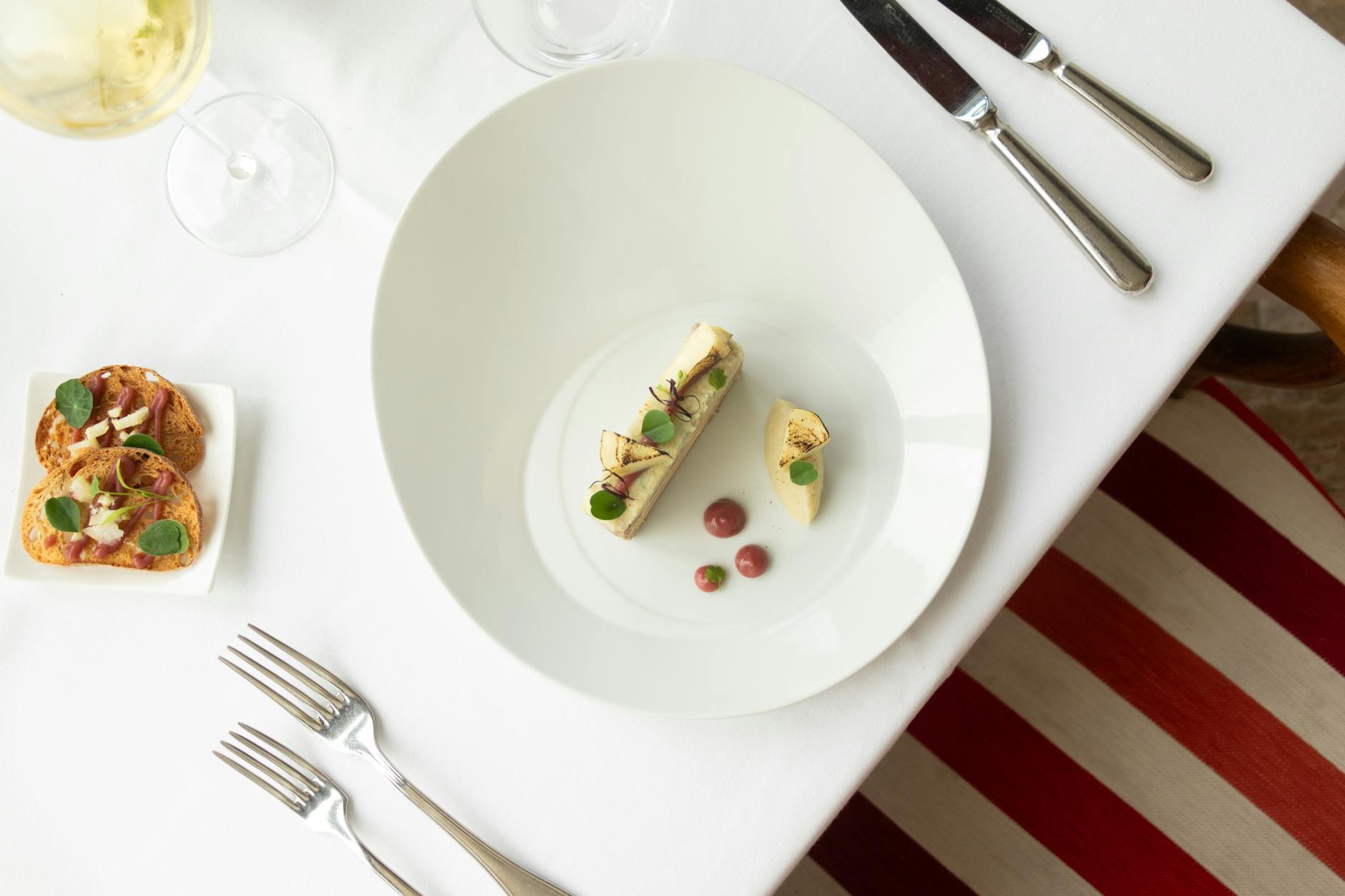
The Cotswolds has quietly established itself as one of England’s finest food and drink destinations. A region blessed with rich agricultural land, centuries-old farming traditions, and a concentration of talented chefs has produced a dining scene that ranges from Michelin-starred fine dining and innovative gastropubs to venerable coaching inns, award-winning farm shops, artisan distilleries, and village tearooms serving cream teas that are worth a journey in themselves.
This is your complete guide to Cotswolds restaurants and pubs — and everything in between. Looking for a romantic dinner to remember, a classic Sunday roast by a crackling pub fire, a lazy afternoon tea in a honey-stone village, or a taste of the region’s extraordinary local produce at a farm shop or market? This guide will point you to the very best the Cotswolds has to offer.
We have organised this guide by category so you can quickly find what you are looking for. For general travel planning, see our Complete Guide to Visiting the Cotswolds. For help deciding where to base yourself, see our guide to Where to Stay in the Cotswolds.
The Cotswolds Food Scene — Why It Is So Good
Understanding why the Cotswolds produces such exceptional food and drink requires a quick look at what lies beneath the pretty surface. The Cotswolds sits on some of the finest agricultural land in England — the limestone soil and gentle climate are ideal for raising livestock, growing grain, and cultivating fruit and vegetables. The region’s farming heritage stretches back centuries, and many of the farms, estates, and producers working today are continuing traditions that have been in their families for generations.
This agricultural richness underpins everything. The lamb is superb — Cotswold sheep graze on herb-rich limestone pastures that give the meat a distinctive sweetness. The beef, much of it from traditional breeds like Hereford and Longhorn, is similarly outstanding. The dairy produce, including cheeses like the famously pungent Stinking Bishop (washed in perry made from Gloucestershire pears) and the nutty, crumbly Single and Double Gloucester, is world-class. The Cotswolds’ trout streams, particularly around Bibury, produce some of the finest freshwater fish in the country. Wild game — venison, pheasant, partridge, rabbit — is abundant in season.
In recent years, a new generation of food producers, chefs, and entrepreneurs has built on these traditional foundations to create a thriving modern food culture. Organic farming pioneers like Daylesford (whose farm shop near Kingham has become a food destination in its own right), craft distilleries like the Cotswolds Distillery (producing award-winning gin, whisky, and vodka), and a growing number of English vineyards have added new dimensions to the Cotswolds food story. The result is a region where you can eat and drink extraordinarily well at virtually every price point.
Fine Dining and Michelin-Starred Restaurants
The Cotswolds punches well above its weight in the fine dining stakes, with several Michelin-starred and Michelin-recommended restaurants that would grace any world food capital.
Le Manoir aux Quat’Saisons in Great Milton (technically just outside the Cotswolds but so closely associated with the region that no guide would be complete without it) is the crown jewel of dining in the area. Raymond Blanc’s legendary hotel-restaurant has held two Michelin stars for over 30 years — a remarkable feat of sustained excellence. The restaurant’s philosophy of using ingredients from its own extraordinary kitchen garden, where over 90 types of vegetables and 70 varieties of herbs are grown, has influenced a generation of British chefs. Dining here is a genuine event — multi-course tasting menus of extraordinary refinement, served in elegant dining rooms overlooking the gardens. It is expensive, but for a special occasion, it is an experience without equal in the region.
The Dining Room at Whatley Manor near Malmesbury holds both a Michelin Star and a Michelin Green Star for sustainability — a rare double distinction that reflects both the quality of the cooking and the restaurant’s commitment to responsible sourcing. The tasting menu showcases the best of British seasonal produce in dishes of remarkable precision and creativity. The setting — a beautiful country house with immaculate gardens — adds to the occasion.
The Royal Oak at Whatcote has earned a Michelin star for its exceptional gastropub cooking, proving that world-class food does not require white tablecloths and formal service. The menu is rooted in seasonal, local ingredients — foraged herbs, estate game, vegetables from the kitchen garden — prepared with a sophistication that belies the relaxed pub setting. This is one of the most exciting dining destinations in the Cotswolds.
Other Michelin-recognised restaurants in and around the Cotswolds include Restaurant Hywel Jones at Lucknam Park (which has held its star for over 20 consecutive years), The Trough near Burford (holding a Michelin Green Star for its farm-to-table approach), and 5 North Street in Winchcombe (a tiny restaurant producing dishes of remarkable quality from a kitchen the size of a domestic one).
For our full guide to the finest dining experiences, see Cotswolds Fine Dining: Michelin Star and Award-Winning Restaurants.
The Best Cotswolds Pubs
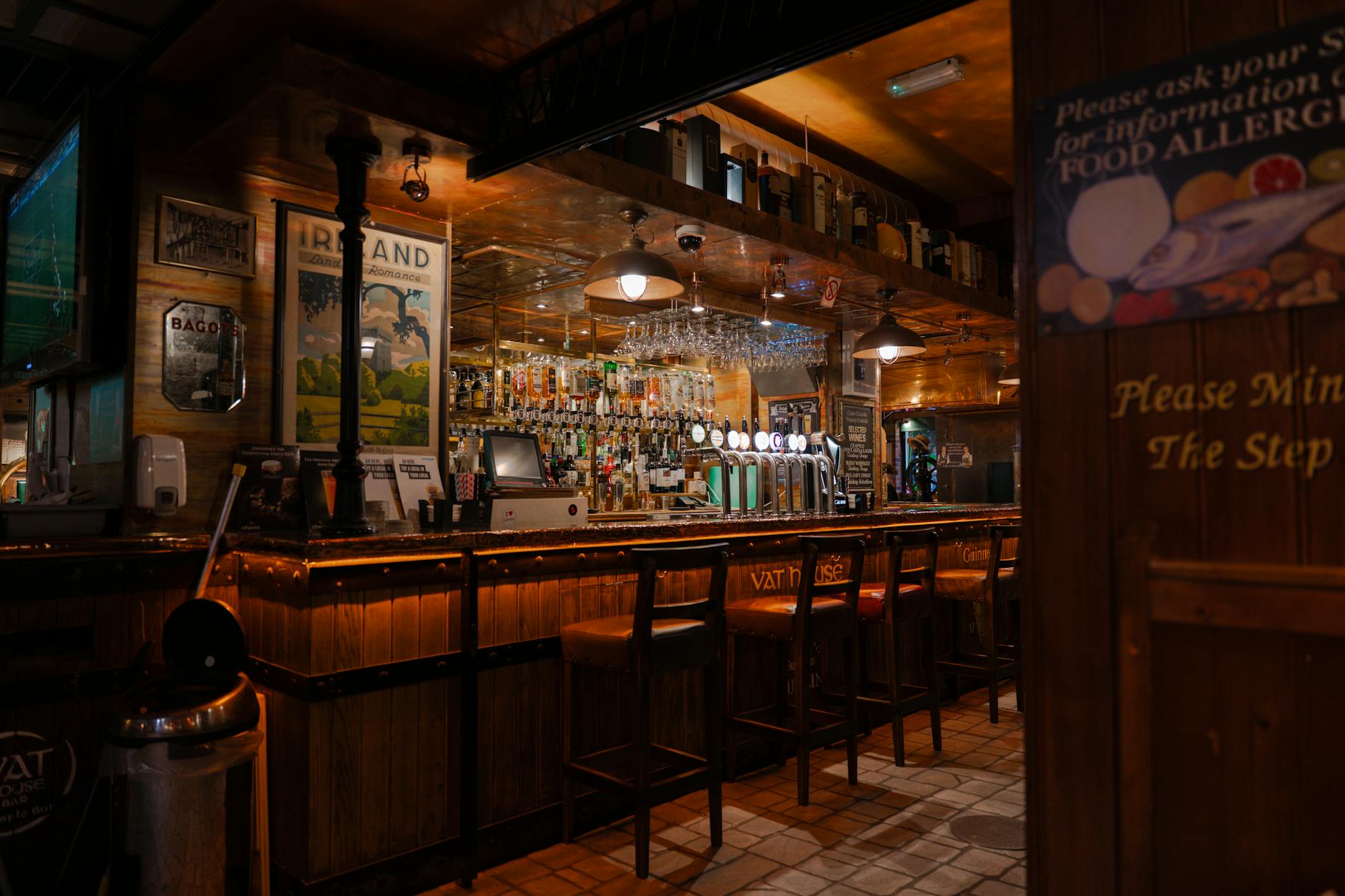
If fine dining restaurants are the glamorous headline act, the Cotswolds pub is the beloved supporting character that everyone secretly prefers. The pub is the beating heart of Cotswolds social life — a place of community, comfort, and remarkably good food. The region has one of the finest collections of historic pubs in England, many occupying buildings that have served as drinking establishments for centuries.
Historic Inns You Must Visit
The Porch House in Stow-on-the-Wold claims to be the oldest inn in England, with parts of the building dating to 947 AD. Wonky beams, flagstone floors, open fires, and a genuine sense of deep history make this a pub that every visitor to the Cotswolds should experience. The food is hearty and well-executed — proper pub fare done properly — and the range of local ales is excellent.
The Lamb Inn in Burford is a gorgeous 15th-century coaching inn that has been welcoming travellers for over 500 years. The flagstoned bar, with its settle seats and log fire, is one of the most atmospheric pub spaces in the Cotswolds. The restaurant serves refined but unpretentious modern British cooking, and the bedrooms upstairs make it an excellent base for exploring the central Cotswolds.
The Lygon Arms in Chipping Campden (not to be confused with its grander namesake in Broadway) is a traditional Cotswolds pub with a 16th-century frontage and a warm, welcoming atmosphere. The beer garden, overlooking the village High Street, is one of the best spots in the Cotswolds for a summer pint.
The Kings Head Inn in Bledington is a quintessential Cotswolds pub — a 16th-century cider house overlooking the village green, where ducks waddle across the grass and cricket is played in summer. The food is excellent (the Sunday roast is legendary), the rooms are comfortable, and the whole experience feels like a scene from a Richard Curtis film.
Gastropubs Raising the Bar
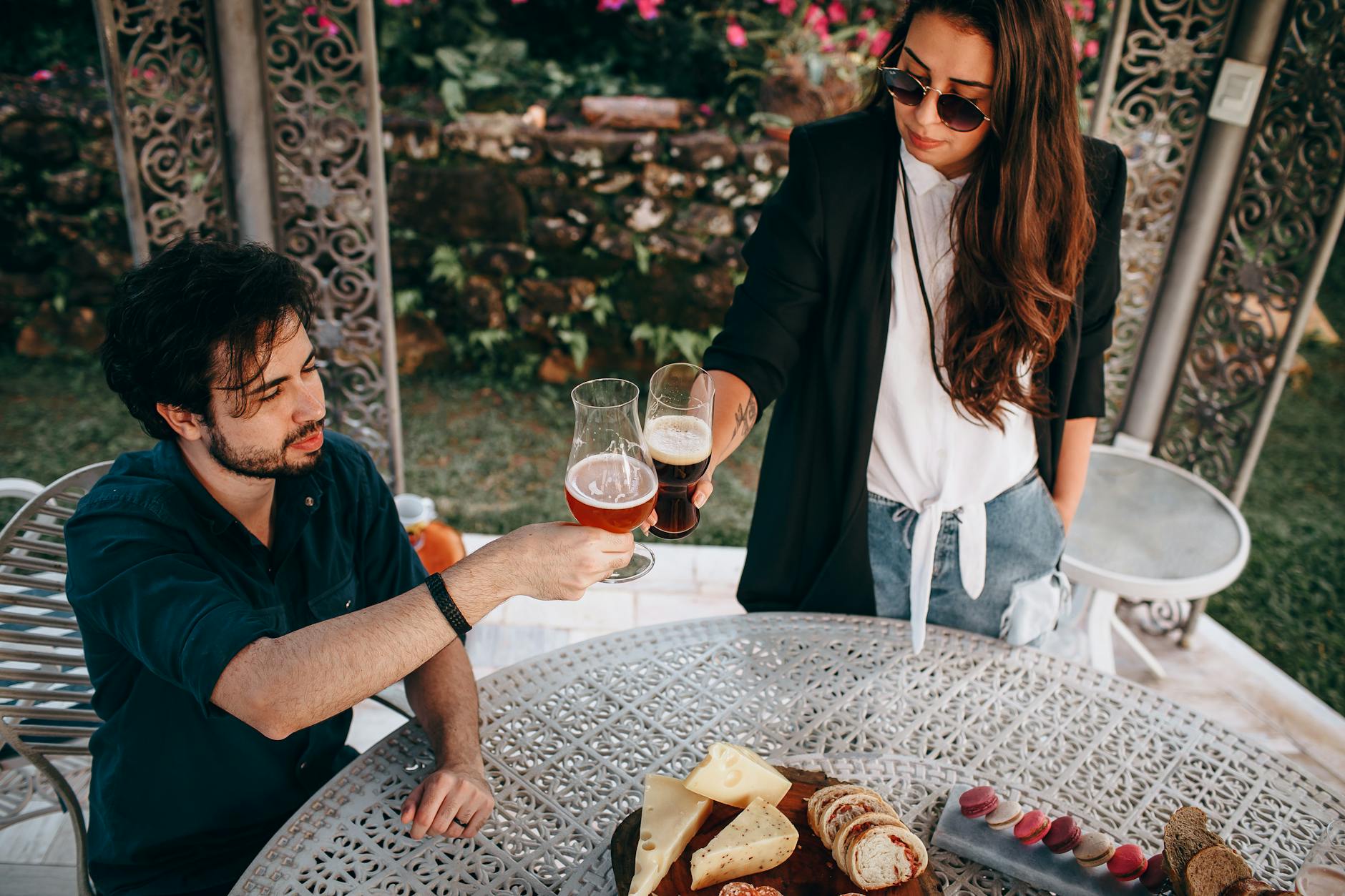
The gastropub revolution has arrived emphatically in the Cotswolds, and several establishments are producing food of a quality that would grace any restaurant — but served in the relaxed, unpretentious setting of a country pub.
The Bull in Charlbury earned a Michelin Bib Gourmand for its exceptional food at fair prices — a recognition of cooking that consistently punches above its weight. The candlelit evening atmosphere is particularly appealing, and the menu balances creativity with the kind of hearty, satisfying flavours that a great pub should deliver.
The Wild Rabbit in Kingham is the pub arm of the Daylesford estate, and as you might expect from the epicentre of Cotswolds organic farming, the food is outstanding. Seasonal ingredients, much of it from the Daylesford farm, are handled with skill and imagination. The interiors are stylish without being precious, and the atmosphere strikes a perfect balance between refined and relaxed.
The Wheatsheaf Inn in Northleach serves some of the best pub food in the Cotswolds — dishes that are rooted in local ingredients but elevated by genuine cooking skill. The venison and game dishes in autumn and winter are particularly good. It also has excellent bedrooms, making it a smart base for exploring the central Cotswolds.
The Bell at Langford has earned a devoted following for its wood-fired pizzas, superb Sunday roasts, and convivial atmosphere. This is a pub that buzzes with energy — birthday celebrations, cycling groups refuelling after a ride, couples lingering over a bottle of wine. Book ahead, especially for Sunday lunch.
For our comprehensive pub guide, see Best Cotswolds Pubs: Historic Inns and Gastropubs.
Afternoon Tea in the Cotswolds
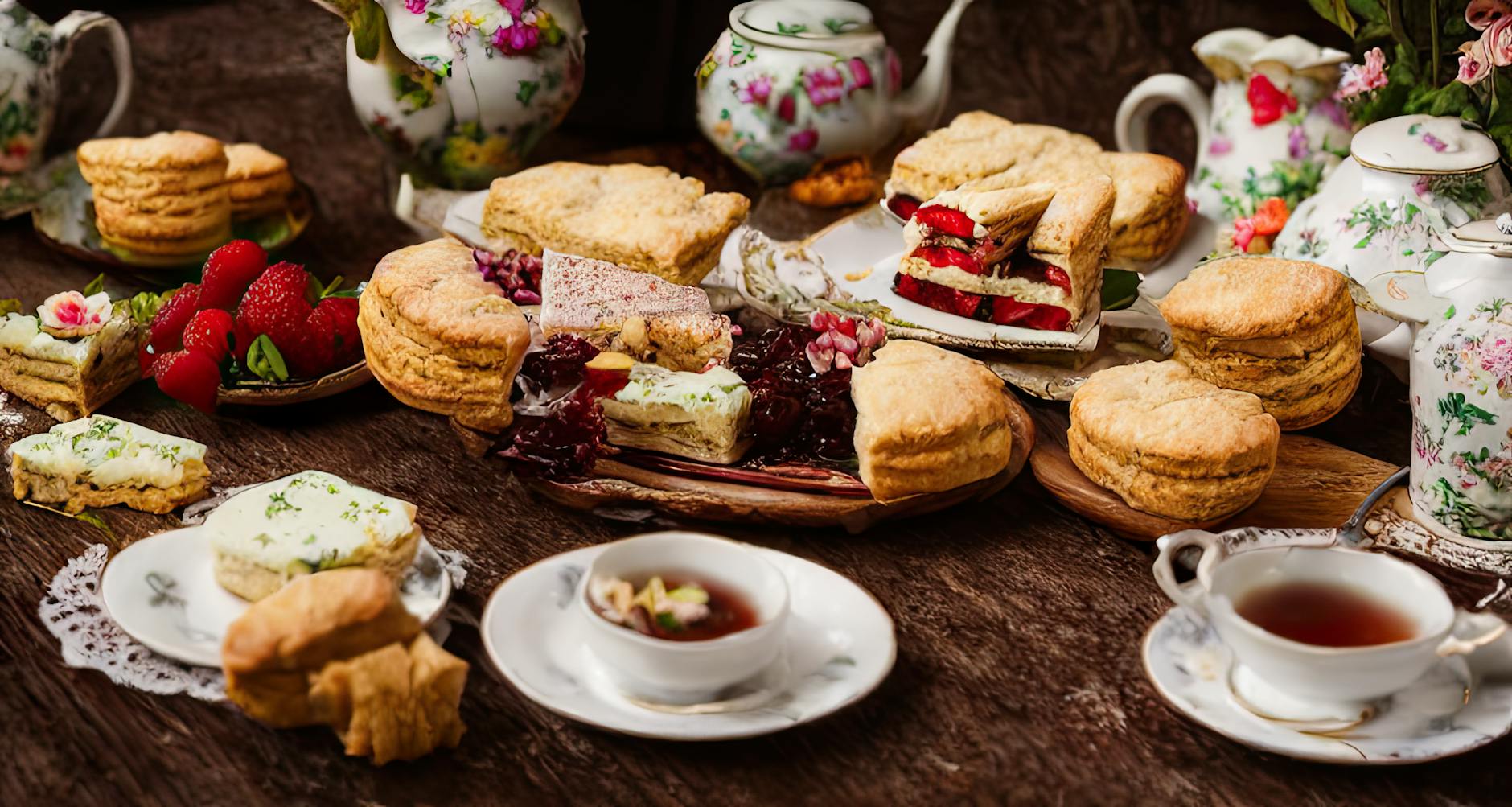
Afternoon tea is one of those quintessentially English rituals that feels completely at home in the Cotswolds. Whether served on fine china in the drawing room of a grand country house hotel or on a mismatched vintage plate in a cosy village tearoom, the combination of delicate finger sandwiches, freshly baked scones with clotted cream and jam, and a selection of cakes and pastries is one of the region’s most delightful experiences.
For a grand hotel afternoon tea, several Cotswolds properties offer memorable experiences. Buckland Manor near Broadway serves a beautiful tea in elegant surroundings with views over manicured gardens. The Manor House at Castle Combe offers an afternoon tea in one of the most romantic settings imaginable — a 14th-century manor house surrounded by 365 acres of formal gardens, woodland, and the Italian Garden. The Lygon Arms in Broadway serves its afternoon tea from 1pm to 6pm in the historic Great Hall — a magnificent timbered room that has been welcoming guests since the 16th century.
For a more relaxed village tearoom experience, the Cotswolds has dozens of excellent options. Huffkins, which has been baking in the Cotswolds since 1890, has tearooms in Burford, Stow-on-the-Wold, and Witney, all serving their famous lardy cake, scones, and light lunches. Lucy’s Tearoom in Stow-on-the-Wold is a tiny, charming spot serving homemade cakes and cream teas. Badger’s Hall in Chipping Campden occupies a beautiful 15th-century building and serves a proper afternoon tea by prior booking.
For our full recommendations and booking tips, see Afternoon Tea in the Cotswolds: The Best Spots.
The Sunday Roast — A Cotswolds Tradition
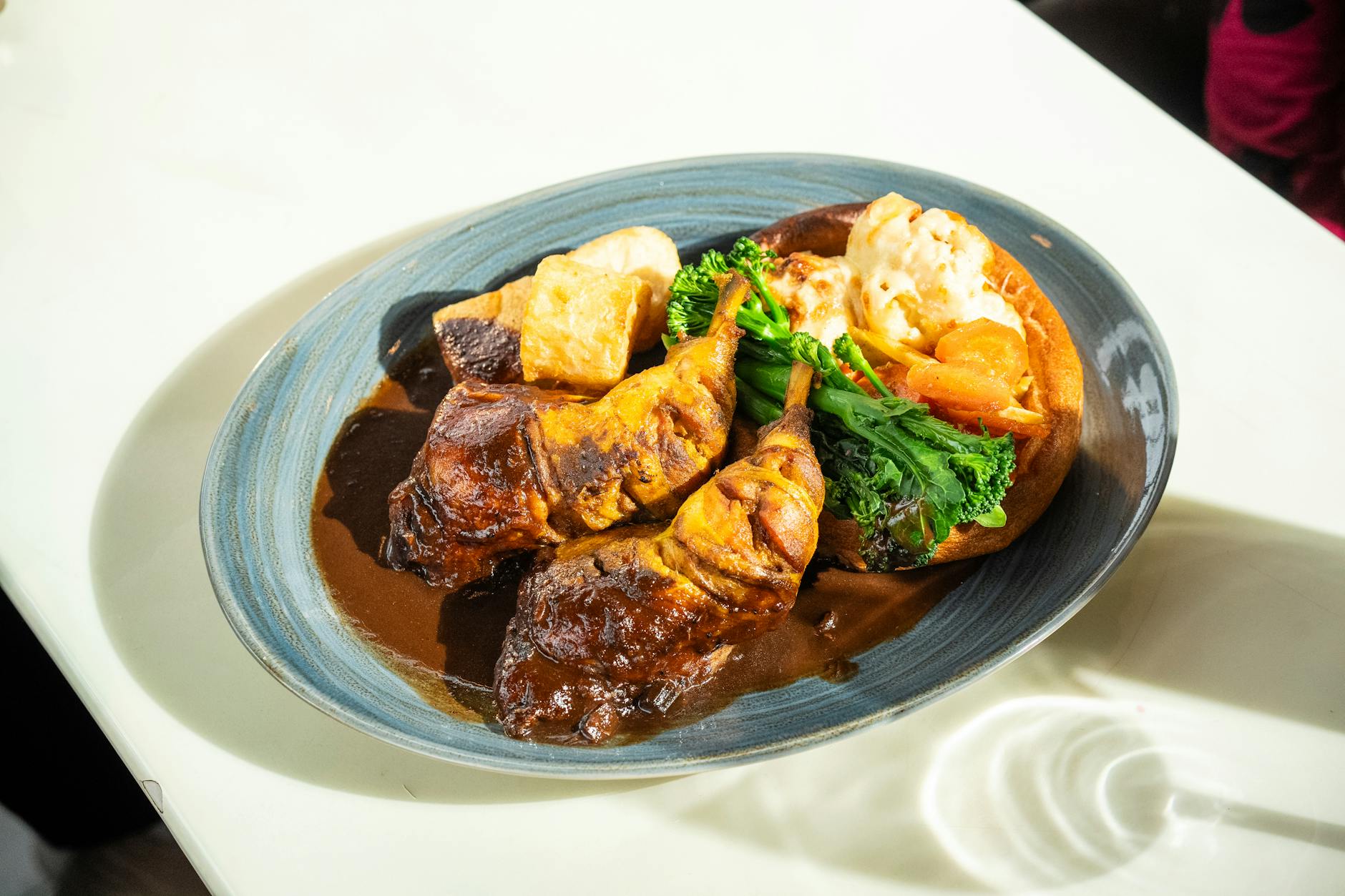
The Sunday roast is sacred in the Cotswolds. This is farming country, where the quality of the meat — slow-roasted beef from local herds, leg of lamb from limestone pastures, free-range chicken from nearby farms — is genuinely outstanding. A proper Cotswolds Sunday roast, served with crisp roast potatoes, seasonal vegetables, Yorkshire pudding, and lashings of gravy, in a centuries-old pub with a fire crackling in the grate, is one of those meals that reminds you why English food, at its best, is among the most satisfying in the world.
The competition for the best Sunday roast in the Cotswolds is fierce. The Kings Head Inn in Bledington is regularly cited as serving one of the finest in the region — their roast beef with all the trimmings draws visitors from miles around. The Churchill Arms in Paxford serves a Sunday roast of exceptional quality in a setting of genuine rustic charm. The Bell at Langford is another strong contender, with their roasts earning near-perfect scores from regular visitors.
Booking is essential for Sunday lunch at popular pubs — many are fully reserved a week or more in advance. Arrive hungry and wear stretchy trousers.
Farm Shops and Local Produce
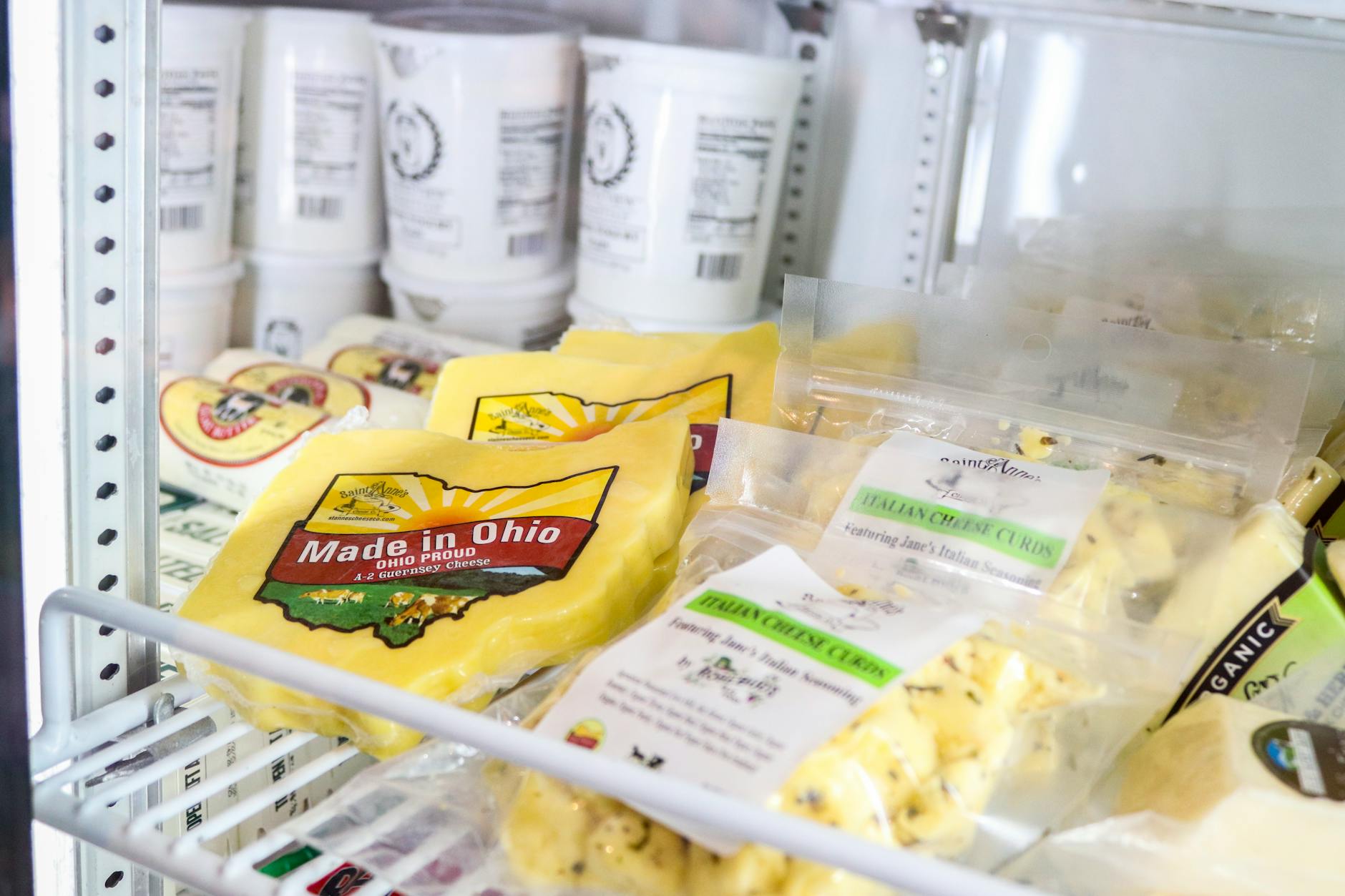
The Cotswolds’ exceptional food scene is built on a foundation of outstanding local produce, and the best way to experience that produce firsthand is through the region’s remarkable farm shops. These are not mere convenience stores with a few local eggs — the best Cotswolds farm shops are food destinations in their own right, stocked with artisan cheeses, charcuterie, organic meats, seasonal fruit and vegetables, fresh-baked bread, and preserves, all sourced from local farms and producers.
Daylesford Organic near Kingham is the most famous farm shop in the Cotswolds — and quite possibly in all of England. Founded by Carole Bamford on the Daylesford estate, it has grown from a modest farm shop into a food empire encompassing a spectacular shop, multiple restaurants, a cookery school, and wellness offerings. The shop itself is extraordinary — a cathedral of organic food, beautifully displayed, with produce from the estate’s own farms and carefully selected artisan suppliers. The prices reflect the quality (this is not budget shopping), but for food lovers, a visit to Daylesford is an essential Cotswolds experience.
Hayles Fruit Farm near Winchcombe is a more traditional family-run farm shop offering seasonal produce, including their own cider and apple juice pressed from fruit grown in the orchards. Cotswold Food Store and Cafe in Longborough has built a loyal following for its curated selection of local products and excellent coffee. The Jolly Nice near Frampton Mansell is a quirky and characterful farm shop and eatery housed in a former petrol station, serving outstanding woodfired pizzas alongside a well-chosen selection of local provisions.
For our full guide, see Best Farm Shops in the Cotswolds.
Farmers Markets
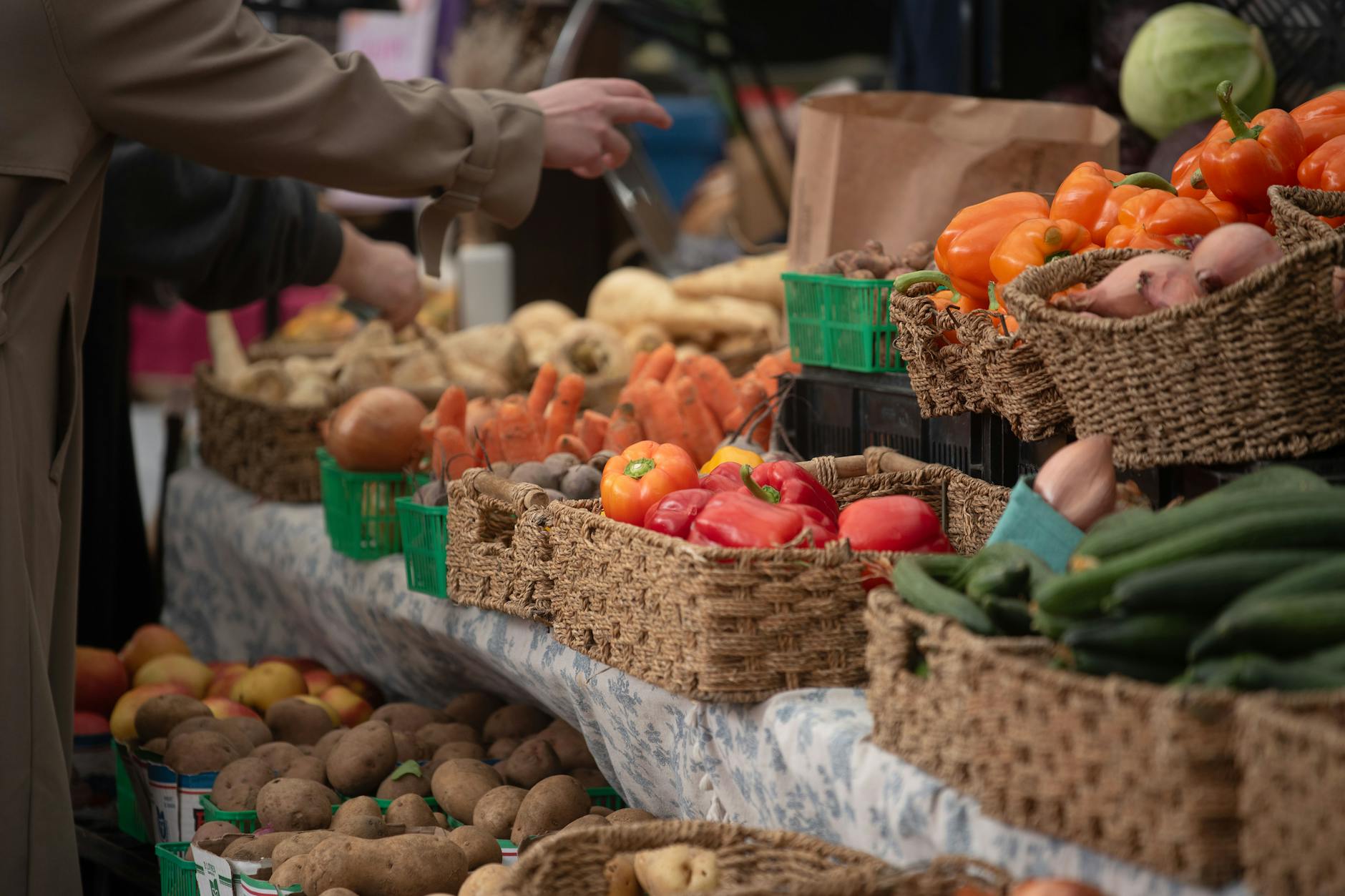
Farmers markets are a highlight of Cotswolds food culture — lively, colourful gatherings where local producers sell directly to the public. They are the best place to taste the breadth and quality of Cotswolds produce, chat with the people who grow and make it, and stock up on exceptional ingredients for your own kitchen.
Stroud Farmers Market is the undisputed star — widely regarded as one of the best farmers markets in Britain. Held every Saturday morning, it fills the streets of Stroud with over 60 stalls selling organic vegetables, artisan breads, local cheeses, charcuterie, wild game, homemade pies, fresh fish, and much more. The atmosphere is buzzing and convivial, and it is worth planning your trip to include a Saturday in Stroud.
Moreton-in-Marsh Tuesday Market is one of the oldest and largest street markets in the Cotswolds, stretching the length of Moreton-in-Marsh‘s High Street with over 200 stalls. While it is a general market rather than specifically a farmers market, it includes excellent local food stalls alongside clothing, antiques, and household goods. It has been held every Tuesday since 1228 — nearly 800 years of continuous trading.
Other notable markets include Cirencester Charter Market (Monday and Friday), Stow-on-the-Wold Farmers Market (second Thursday of each month), and various seasonal and monthly markets in towns including Cheltenham, Tetbury, and Nailsworth.
For our complete guide with dates and details, see Cotswolds Farmers Markets: Complete Guide and Calendar.
Breweries, Distilleries and Wine
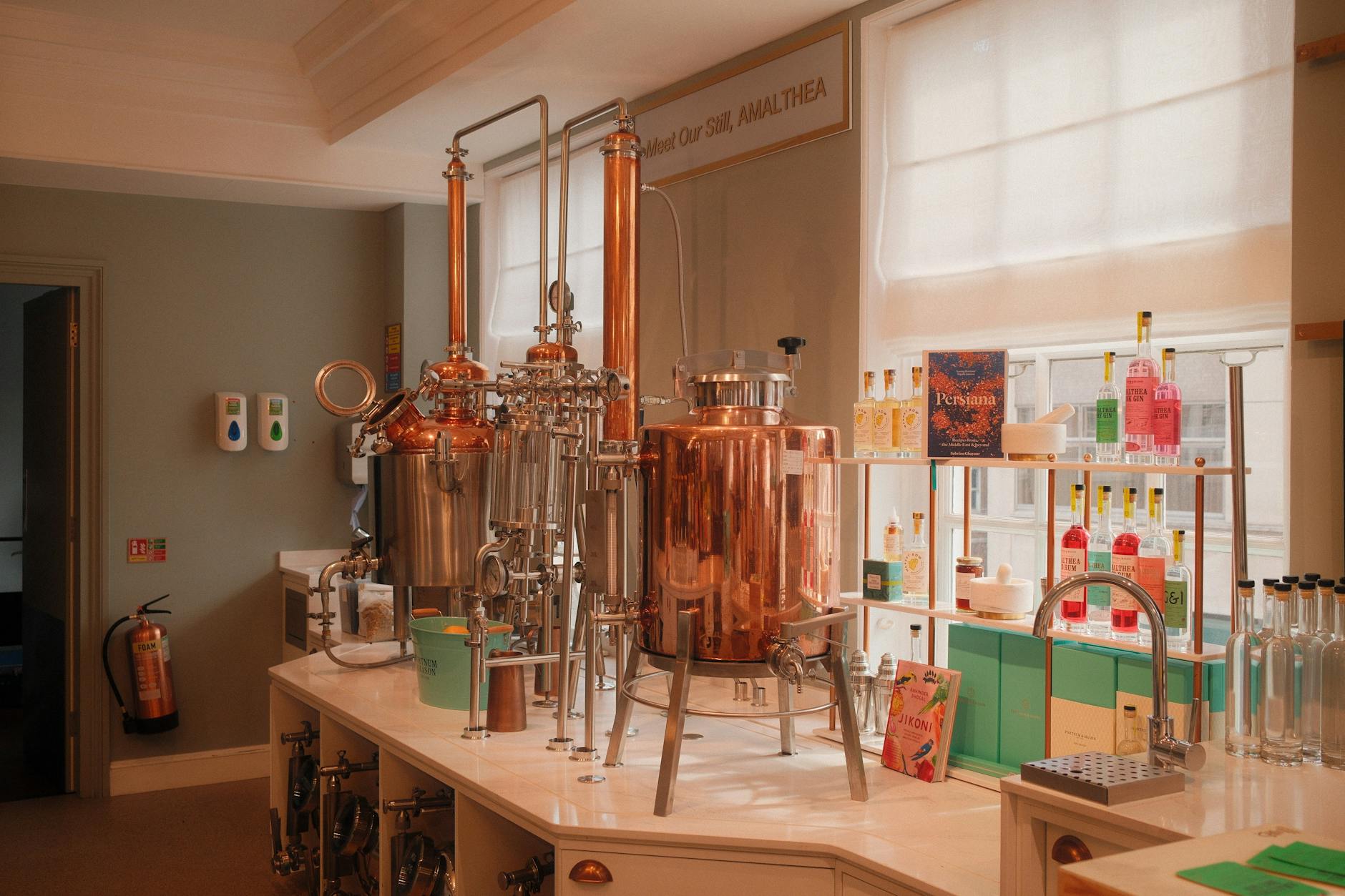
The Cotswolds’ drinks scene has exploded in recent years, with a thriving ecosystem of craft breweries, award-winning distilleries, and a growing number of English vineyards adding an exciting new dimension to the region’s food and drink culture.
Craft Breweries
The Cotswolds has a long brewing tradition — the region’s barley has been used for malting and brewing for centuries. Today, a new generation of craft brewers is producing outstanding ales, stouts, and lagers that reflect both the local terroir and modern brewing innovation.
Hook Norton Brewery, located in the village of the same name, is one of the finest traditional breweries in England — a Victorian tower brewery that still uses a steam engine to power some of its equipment. Tours of the brewery are fascinating, and the beers (particularly Hooky Bitter and Old Hooky) are excellent. Many pubs across the Cotswolds are Hook Norton houses, so you will encounter their ales frequently. Donnington Brewery near Stow-on-the-Wold is even more venerable — a family-owned brewery in a 13th-century watermill that produces traditional ales distributed exclusively to its own pubs within a 15-mile radius. Drinking a pint of Donnington BB in one of their pubs is as close as you can get to tasting the Cotswolds in a glass.
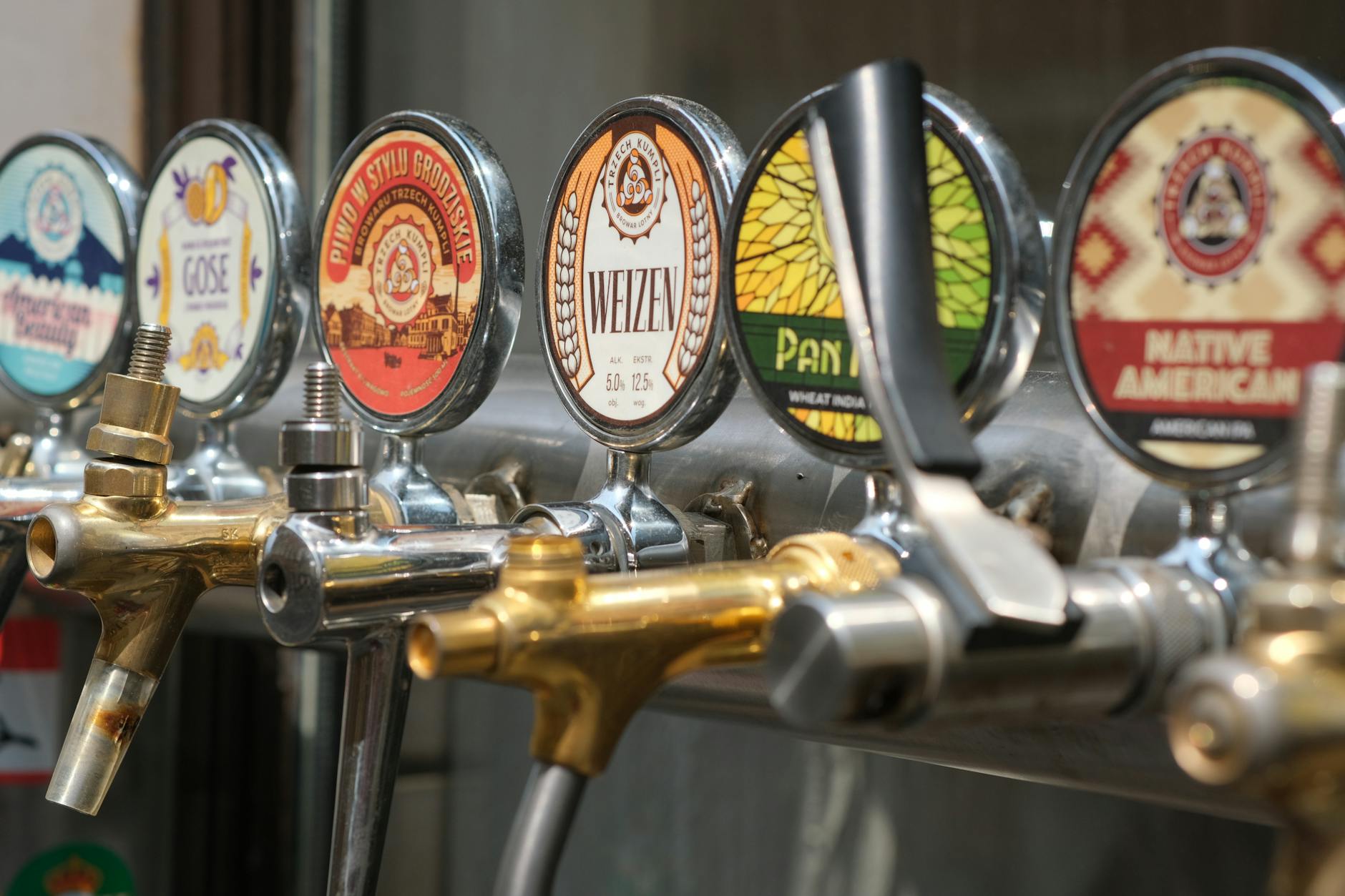
North Cotswold Brewery in Stretton-on-Fosse produces a range of award-winning craft ales, and their taproom is well worth a visit. Stroud Brewery produces organic and biodynamic beers in a state-of-the-art brewery with an excellent on-site taproom and bar overlooking the canal.
Gin, Whisky and Spirits
The Cotswolds Distillery near Stourton is the headline act of the region’s spirits scene — the first full-scale distillery in the Cotswolds, producing a range of award-winning products including their flagship Cotswolds Dry Gin (a beautifully aromatic gin with lavender notes that has won multiple international awards), Cotswolds Single Malt Whisky (aged in first-fill bourbon barrels and full of character), and a smooth vodka. The distillery offers tours and tastings, and the shop stocks exclusive bottlings not available elsewhere. Their gin-making experiences, where you can create your own personalised gin, are immensely popular — book well ahead.
Sibling Distillery in Cheltenham is run by four siblings producing gin, vodka, and other spirits with a playful, contemporary brand identity. Capreolus Distillery near Cirencester produces extraordinary fruit brandies (eaux-de-vie) from locally foraged and grown ingredients — their Garden Swift is a revelation.
English Wine
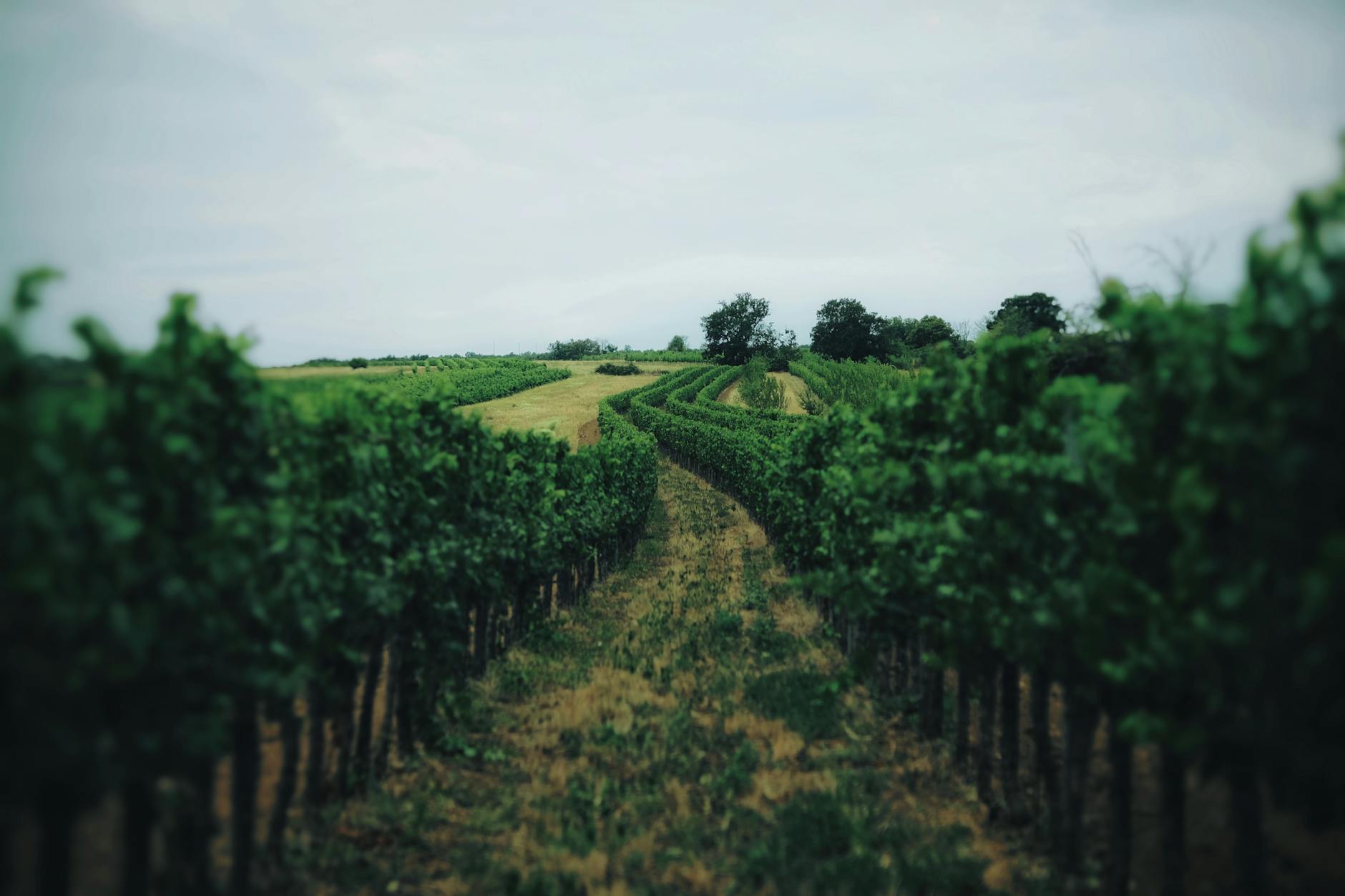
English wine is one of the most exciting stories in the Cotswolds food and drink scene. The region’s south-facing limestone slopes and increasingly warm growing seasons are producing wines — particularly sparkling wines — that are winning international blind tastings against established Champagne houses. Several Cotswolds vineyards are now open for tours, tastings, and events.
Woodchester Valley Vineyard near Stroud is one of the most ambitious, with over 20 acres of vines producing still and sparkling wines of genuine quality. Cotswold Hills Vineyard near Cheltenham and Three Choirs Vineyard on the Gloucestershire border both offer tours and tastings in beautiful settings. The English wine scene is growing rapidly, and the Cotswolds is at its heart.
For our full guide, see Cotswolds Breweries, Gin Distilleries and Wine Tasting.
Local Specialities You Must Try
Every region has its iconic foods, and the Cotswolds is no exception. Here are the local specialities that every visitor should seek out:
Stinking Bishop cheese — made by Charles Martell at Laurel Farm near Dymock using the milk of rare-breed Gloucester cattle, this is one of Britain’s most celebrated (and most pungent) cheeses. Washed in perry made from the Stinking Bishop pear variety, it develops a famously powerful aroma but a surprisingly creamy, subtle flavour. Available at farm shops throughout the Cotswolds.
Single and Double Gloucester cheese — two traditional Cotswolds cheeses with very different characters. Single Gloucester is lighter, creamier, and more delicate; Double Gloucester is firmer, richer, and more robust. Both are made from the milk of Gloucester cattle and have Protected Designation of Origin (PDO) status. Double Gloucester is the cheese famously chased down Cooper’s Hill near Brockworth in the annual cheese-rolling race.
Bibury trout — smoked trout from Bibury Trout Farm, established in 1902, is a Cotswolds delicacy available at the farm shop and in restaurants and delis across the region. The trout are reared in crystal-clear water from the River Coln, and the smoking process produces a rich, delicate flavour.
Hobbs House bread — this family bakery, based in Chipping Sodbury with shops across the Cotswolds, produces some of the finest bread in England. Their sourdough, in particular, has earned a devoted following. Tom Herbert of Hobbs House has become a leading voice in the British bread revival.
Cotswold lamb — the sheep that made the Cotswolds rich still produce exceptional meat. Cotswold lamb, particularly from traditional breeds like the Cotswold Lion (a large, curly-fleeced breed that is slowly being revived), has a distinctive sweetness from the herb-rich limestone pastures. Look for it on restaurant menus and at farm shops, particularly in spring.
Dog-Friendly Dining
Travelling with a dog? The Cotswolds is wonderfully accommodating. The vast majority of pubs welcome well-behaved dogs, particularly in bar areas (as opposed to dedicated restaurant areas). Many provide water bowls, treats, and even dedicated dog menus. Some pubs have enclosed beer gardens where dogs can roam freely, and several have earned reputations as particularly dog-welcoming establishments.
Look for pubs that display “dogs welcome” signs or have specific dog-friendly policies on their websites. The general rule in the Cotswolds is that traditional pubs with bar areas (as opposed to modern restaurants) will almost always welcome dogs. Pub gardens in summer are usually dog-friendly. Always check when making a reservation, particularly if you plan to dine in a formal restaurant area.
For our dedicated guide, see Best Dog-Friendly Pubs in the Cotswolds.
Food Festivals and Culinary Events
The Cotswolds hosts several food festivals and culinary events throughout the year that celebrate the region’s exceptional produce and dining culture.
The Cheltenham Food and Drink Festival is one of the region’s largest culinary events, featuring local producers, celebrity chef demonstrations, tastings, and workshops. Taste of the Cotswolds events bring together food and drink producers from across the region in various locations. Many individual villages and towns host their own food events — Moreton Show combines agricultural traditions with a food and drink marquee, while numerous villages hold harvest festivals, hog roasts, and seasonal food celebrations throughout the year.
The Cotswolds food calendar is also punctuated by open garden events that often include refreshments, supper clubs hosted by local chefs in atmospheric settings, and cookery courses at establishments including Daylesford, Thyme (in Southrop), and various independent cooking schools.
For the full calendar, see Cotswolds Food Festivals and Culinary Events.
Practical Tips for Eating and Drinking in the Cotswolds
Book ahead for popular restaurants and Sunday roasts. The best pubs and restaurants fill up quickly, particularly on weekends and during school holidays. For fine dining, book at least two to four weeks ahead. For popular pub Sunday lunches, a week’s notice is usually necessary.
Embrace pub dining. Some of the best food in the Cotswolds is served in pubs, not restaurants. Do not overlook a pub menu because it looks casual — gastropub cooking in the Cotswolds is consistently excellent.
Eat seasonally. The Cotswolds food scene is deeply connected to the seasons. Game in autumn and winter, asparagus in spring, soft fruits in summer, root vegetables through the colder months — eating what is in season will give you the best flavours and the most authentic Cotswolds dining experience.
Visit farm shops and markets early. The best produce at farm shops and farmers markets goes quickly, particularly on Saturday mornings at Stroud. Arrive early for the widest selection.
Try local ales and spirits. Do not default to familiar national brands when the Cotswolds produces outstanding local alternatives. Ask your barman for a local recommendation — Hook Norton, Donnington, North Cotswold, and Stroud breweries all produce excellent beers, and the Cotswolds Distillery gin is superb.
Leave room for dessert. Cotswolds puddings are outstanding — particularly the traditional options like treacle tart, sticky toffee pudding, and seasonal fruit crumbles. Combined with local cream or custard, they are a highlight of pub dining.
Start Your Cotswolds Food Adventure
The Cotswolds offers one of the richest and most rewarding food and drink scenes in England — from the rarefied heights of Michelin-starred dining to the simple perfection of a ploughman’s lunch in a 16th-century pub. The quality of local produce, the depth of culinary talent, and the sheer number and variety of places to eat and drink make this a region that rewards the hungry traveller at every turn.
Explore our detailed food and drink guides: Best Restaurants, Best Pubs, Afternoon Tea, Fine Dining, Farm Shops, Farmers Markets, Breweries and Distilleries, Dog-Friendly Pubs, Food Festivals, and Cafes and Tearooms.
Still hungry? Pair this with the best things to do in the Cotswolds, decide where to stay, and browse the prettiest villages for the pubs and tea rooms worth a detour, from Bibury to Stow-on-the-Wold.